Project Brief
This project explores whether immersive virtual reality can communicate the emotional and psychological realities of civilian life in war zones more effectively than text-based news and social-media feeds. By placing participants inside a first-person, everyday conflict scenario, it investigates how presence and embodiment influence empathy and emotional engagement with human suffering.
Type
Course Work | Human Machine Interaction | Semester 1 | IIT Kanpur
Teammates: Bhargav Ram Chodabattula, Daksha Jindani, Samadrita Karmakar
Introduction
Audiences today encounter representations of human suffering—such as civilian loss, displacement, and injustice—primarily through text-based news and social-media feeds. While these formats enable rapid dissemination, their fragmented, repetitive, and short-form nature may contribute to emotional distancing, compassion fatigue, or reduced empathic engagement. Immersive virtual reality (VR) has been proposed as a medium capable of restoring emotional proximity by situating users within spatial, first-person contexts of suffering.
However, empirical evidence comparing VR to contemporary feed-based media—particularly short-form image and video content—remains limited. Understanding how different technological mediums shape emotional engagement is essential for ethical communication, immersive design practice, and potential applications in training and public awareness.
Problem statement
Civilians living in war zones are often reduced to statistics and headlines, leaving audiences disconnected from the emotional and psychological realities of conflict.
This project uses immersive virtual reality to place participants within the everyday experiences of those affected, investigating whether embodied, first-person perspectives can bridge the emotional gaps and communicate the human impact of injustice and human suffering more effectively than traditional media.
What was the objectives we had?
Using immersive virtual reality, this project lets participants step into the everyday experiences and emotions of civilians trapped in war zones, fostering empathy and awareness of lives disrupted by political conflict.
Demonstrate the broader potential of VR for education, advocacy, and social change.
Raise awareness about the psychological and emotional impacts of war beyond statistics and news headlines.
Bridge cultural and emotional gaps by giving voice to those affected by war in an immersive way.
Different ways we could have used VR? (limitations and what were the constraints we put on ourself)
We wanted to first the user to have a big space in the in VR itself so that he can roam around in the free world with a storyline but we did not want the person to teleport in the VR space using controllers.
We had decided that the distance the user would cover in the physical space would be the same distance they would cover in the virtual space. Basically we wanted the user to walk rather than teleport.
After the room size limitation which we had gotten for HMI Horizon which was 26 x 16 feet we decided to limit the experience to a room and narrate the story in such a way that it will still give them the same experience.
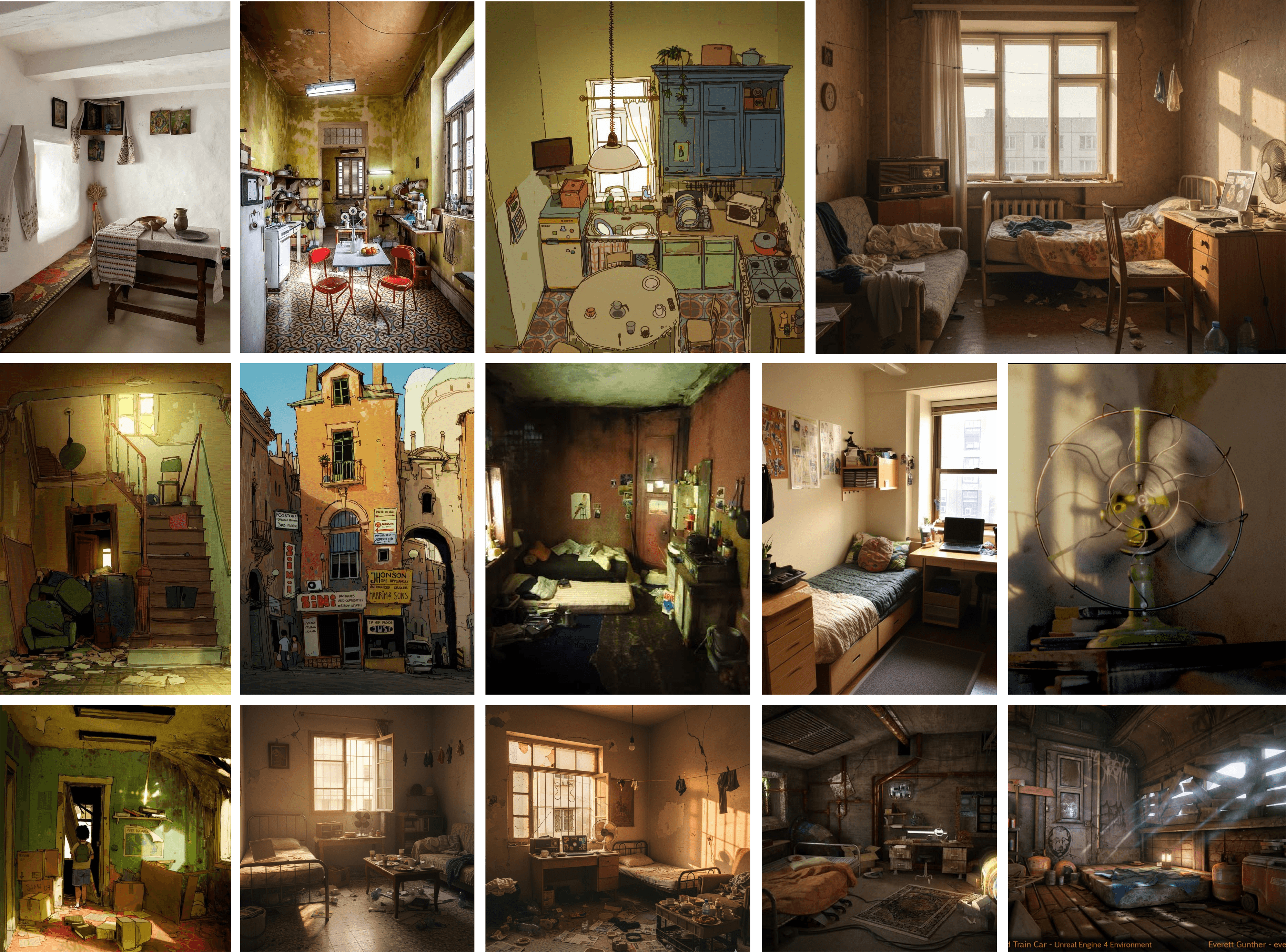
What were the references we used as moodboard

Architectural considerations
We chose to have a setting which was gender neutral, meaning it wasn’t strongly associated to any particular or unique styles of interior. we also wanted to make it neutral with regards to the user’s location and economic state
Messi
Dusty
Broken
Grey
Textures
Patterns
Dots
Small lighting
Patchy walls
A lot of stuff
Blue Period
Smoky air
Random Cutlery
Plants
Bringing in a new dimension
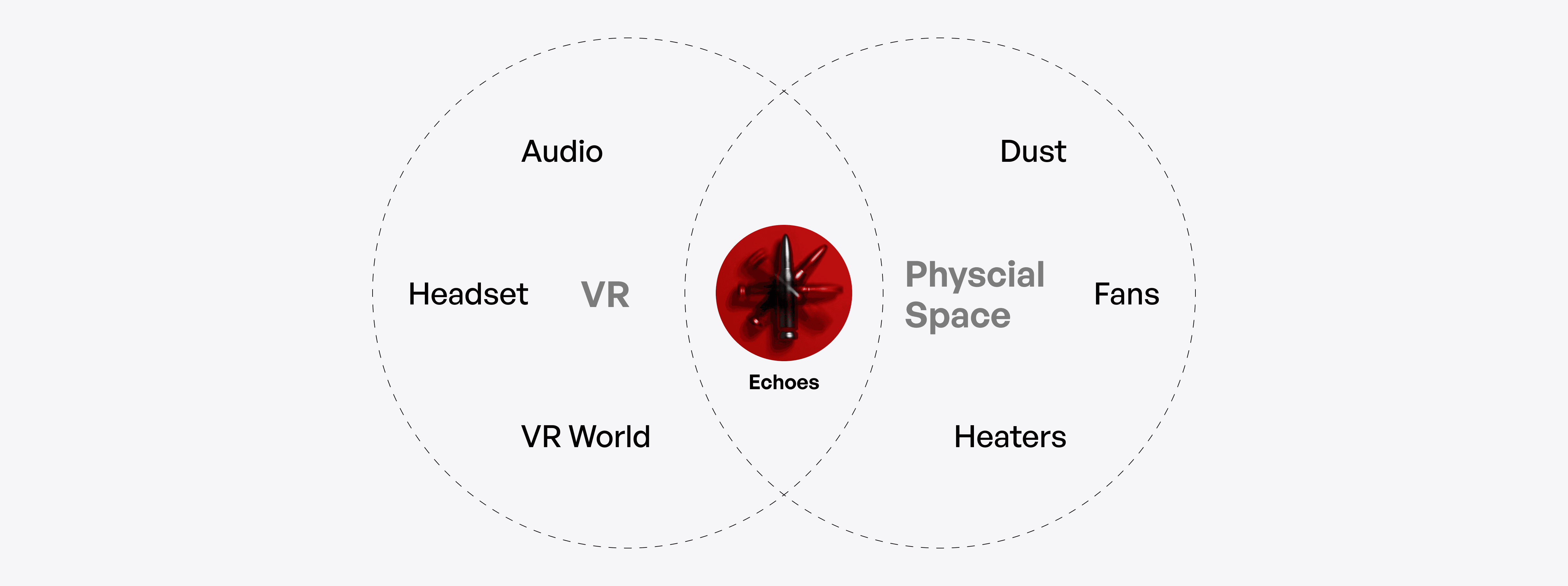
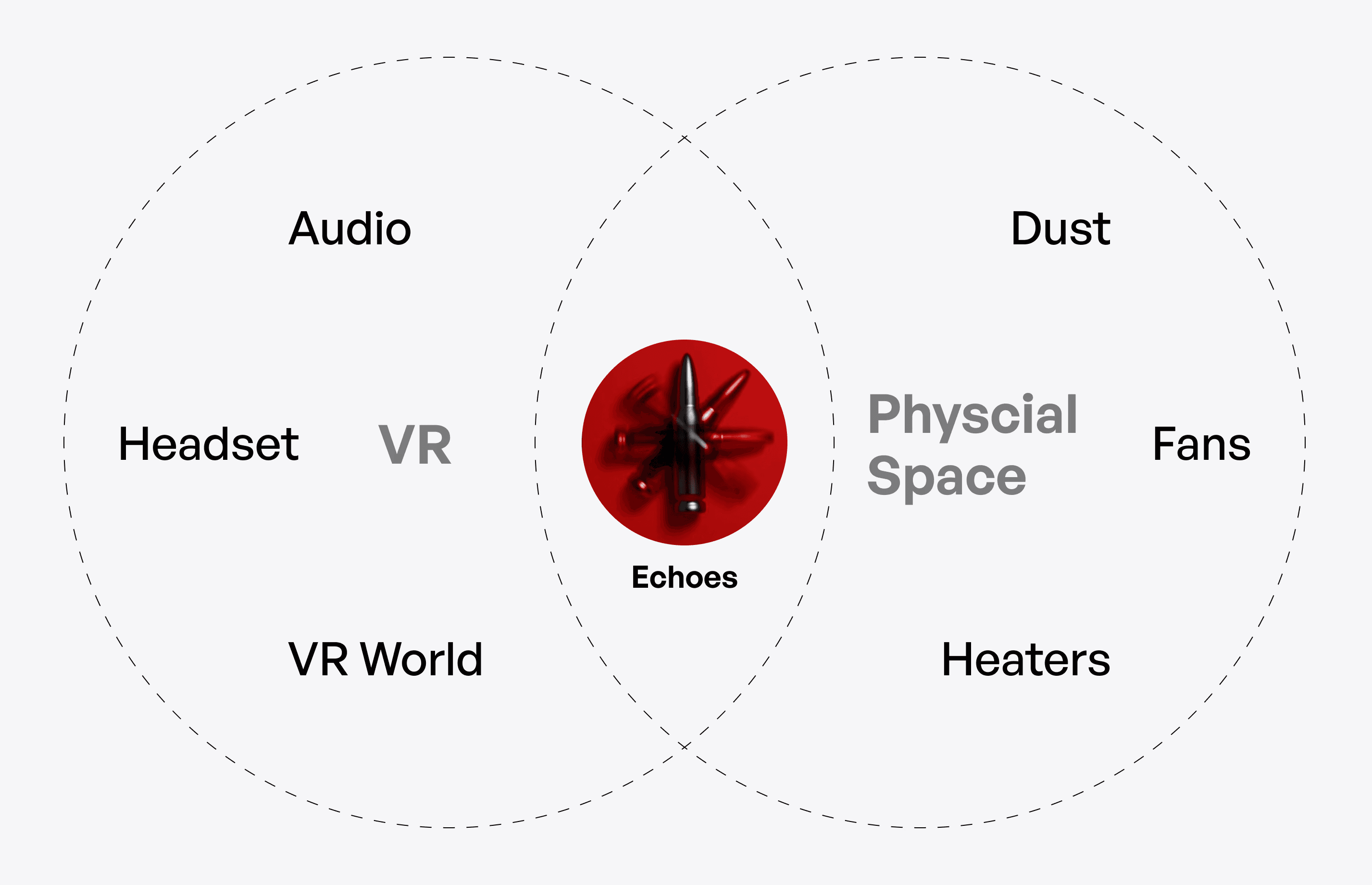
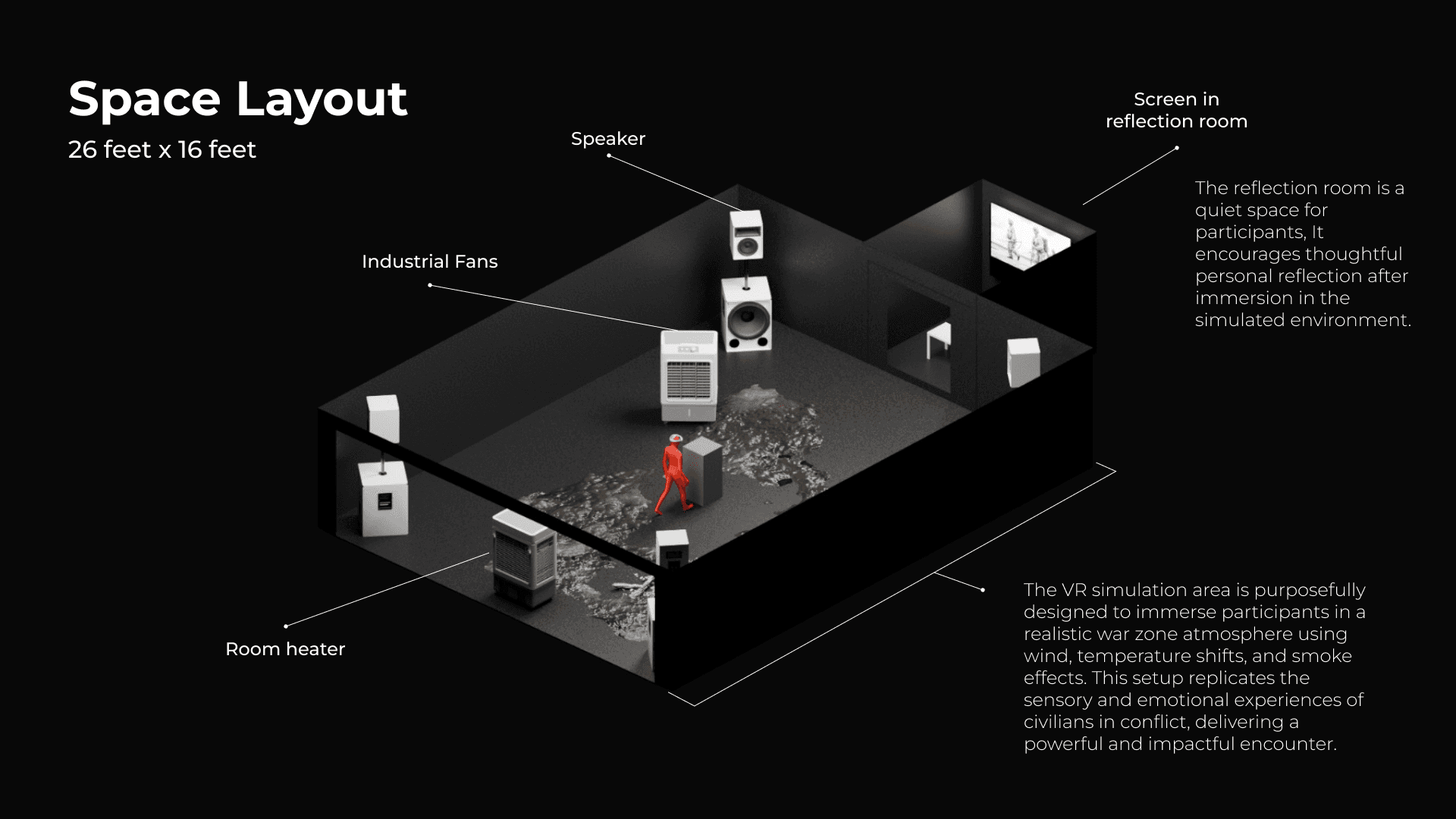
Another objective was to bridge VR and physical sensation by designing the space so users could feel real-world cues, such as airflow, heat, and physical barriers, to enhance barriers.
Room Architecture Planning
Some of the points
Headboard should always be on the longer side
PG people make the width of the room smaller than usual
Door always open inside the room
Should have more visual space on the right and left instead of the front
Room window on the shorter side so that more rooms can be fit in a floor
We tried to do all the things opposite of these points to make the room environment claustrophobic
Conceptualizing the space
We were given a space of the 26 x 16 feet for the exhibition.
To fit this constraint, we decided to limit our virtual space to a single room flat meant for bachelors. we also wanted to include big enough windows for the users to look outside of. The decor and interior is very limited to essential items and a few
Writing the Script
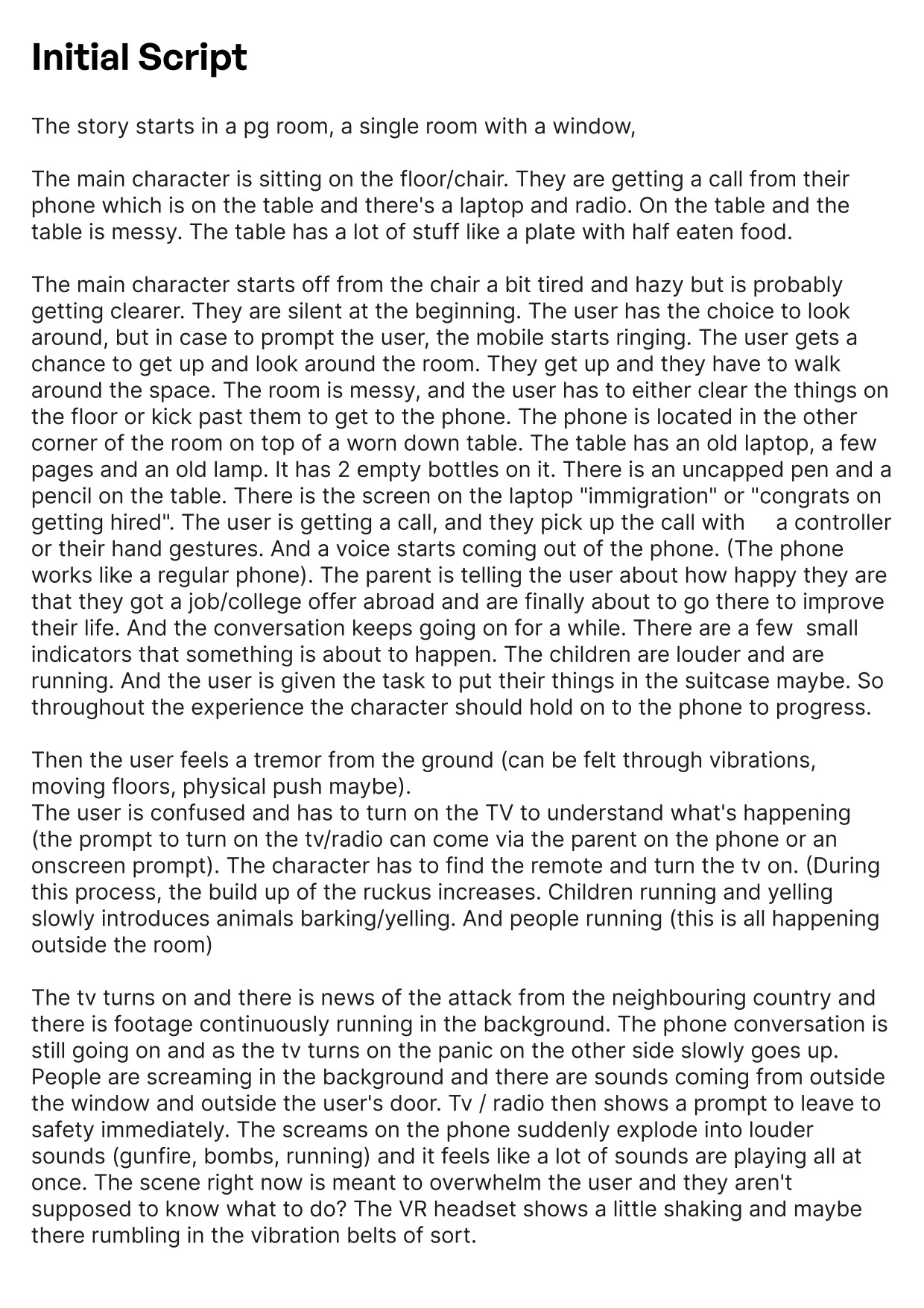
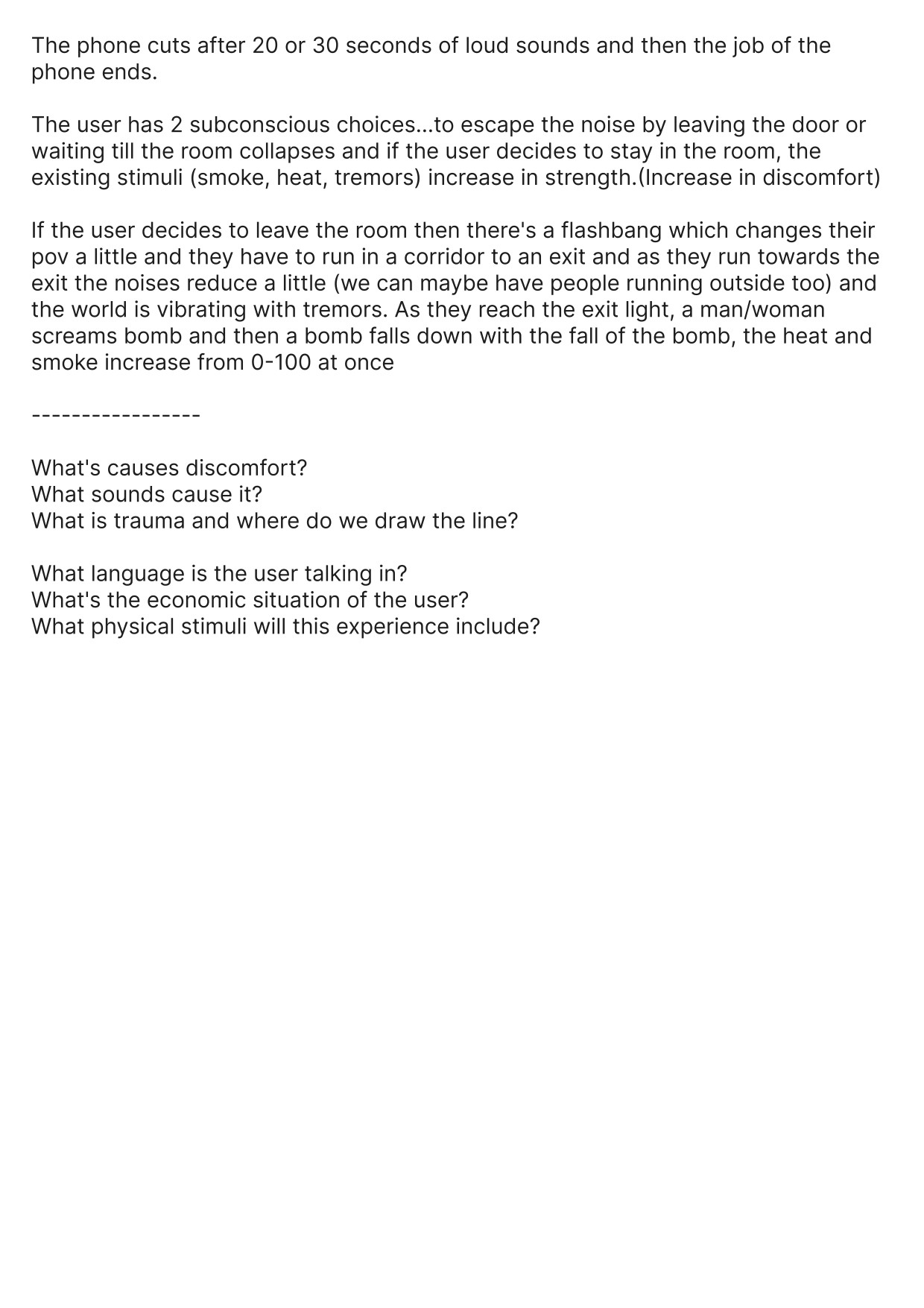
First we wrote the initial script
The main character is sitting on the floor/chair. They are getting a call from their phone which is on the table and there's a laptop and radio. On the table and the table is messy. The table has a lot of stuff like a plate with half eaten food.
The main character starts off from the chair a bit tired and hazy but is probably getting clearer. They are silent at the beginning. The user has the choice to look around, but in case to prompt the user, the mobile starts ringing…..
continued…
View the full script here Link
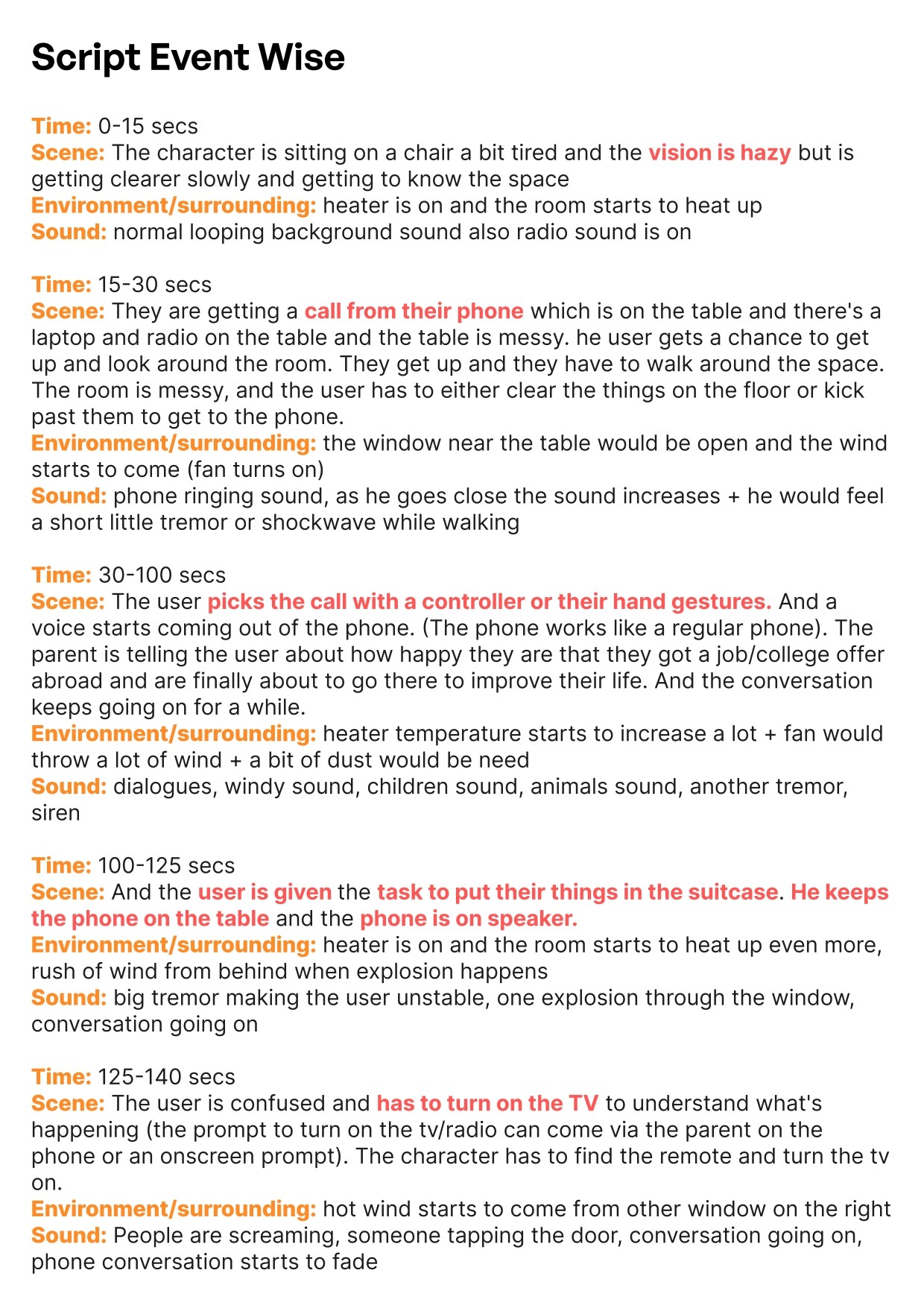
Then we divided the script into Time, Scene, Environment/surrounding and Sound. To know the exact sequence of the movie.
Time: 0-15 secs
Scene: The character is sitting on a chair a bit tired and the vision is hazy but is getting clearer slowly and getting to know the space
Environment/surrounding: heater is on and the room starts to heat up
Sound: normal looping background sound also radio sound is on
Time: 15-30 secs
Scene: They are getting a call from their phone which is on the table and there's a laptop and radio on the table and the table is messy. he user gets a
continued…
View the full script here Link
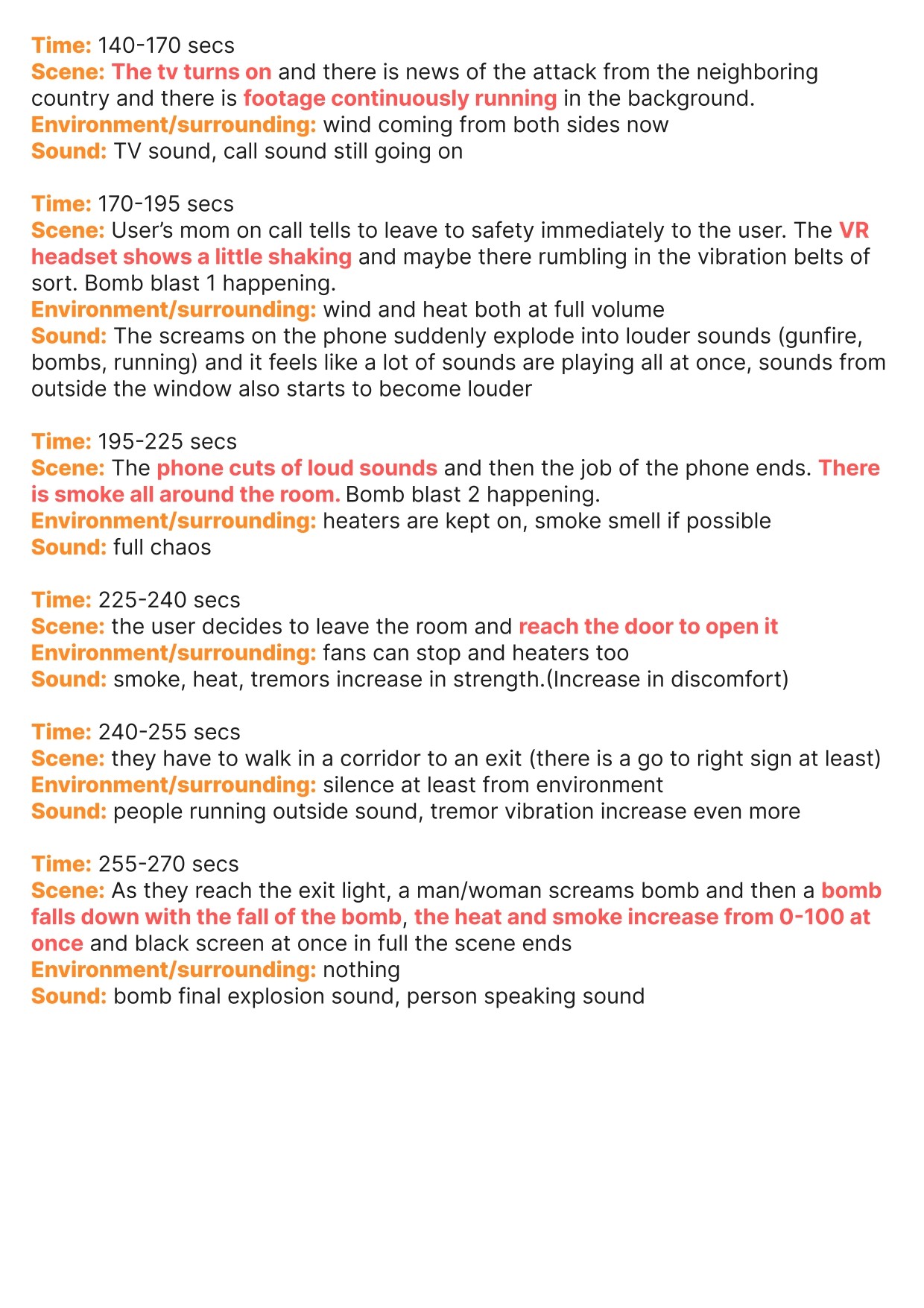
The script in a nutshell
0-15 secs - at the start the vision is hazy for the character.
15-30 secs - The user gets a call from on their phone
30-100 secs - The user picks the call with a controller or their hand gestures and hears their mother talking.
100-125 secs - user is given the task to put their things in the suitcase
125-140 secs - The user is confused and has to turn on the TV to understand what's happening around
140-170 secs - The tv turns on and there is news of the attack from the neighboring country
170-195 secs - User’s mom on call tells to leave to safety immediately to the user. The VR headset shows a little shaking
195-225 secs - The phone cuts of loud sounds and then the job of the phone ends.
225-240 secs - he user decides to leave the room and reach the door to open it
240-255 secs - they have to walk in a corridor to an exit
255-270 secs - As they reach the exit light, a bomb falls down with the fall of the bomb, the heat and smoke increase from 0-100 at once and black screen at once in full the scene ends.
Considerations for lightweight applications
We used models from kit bash, which are well reputed for being game ready and light on hardware. This decision was due to the timeline of delivery being short. hence we decided to use models which were professionally created.
Choosing textures carefully to ensure less lag
Used wired connections between VR and CPU for less lag.

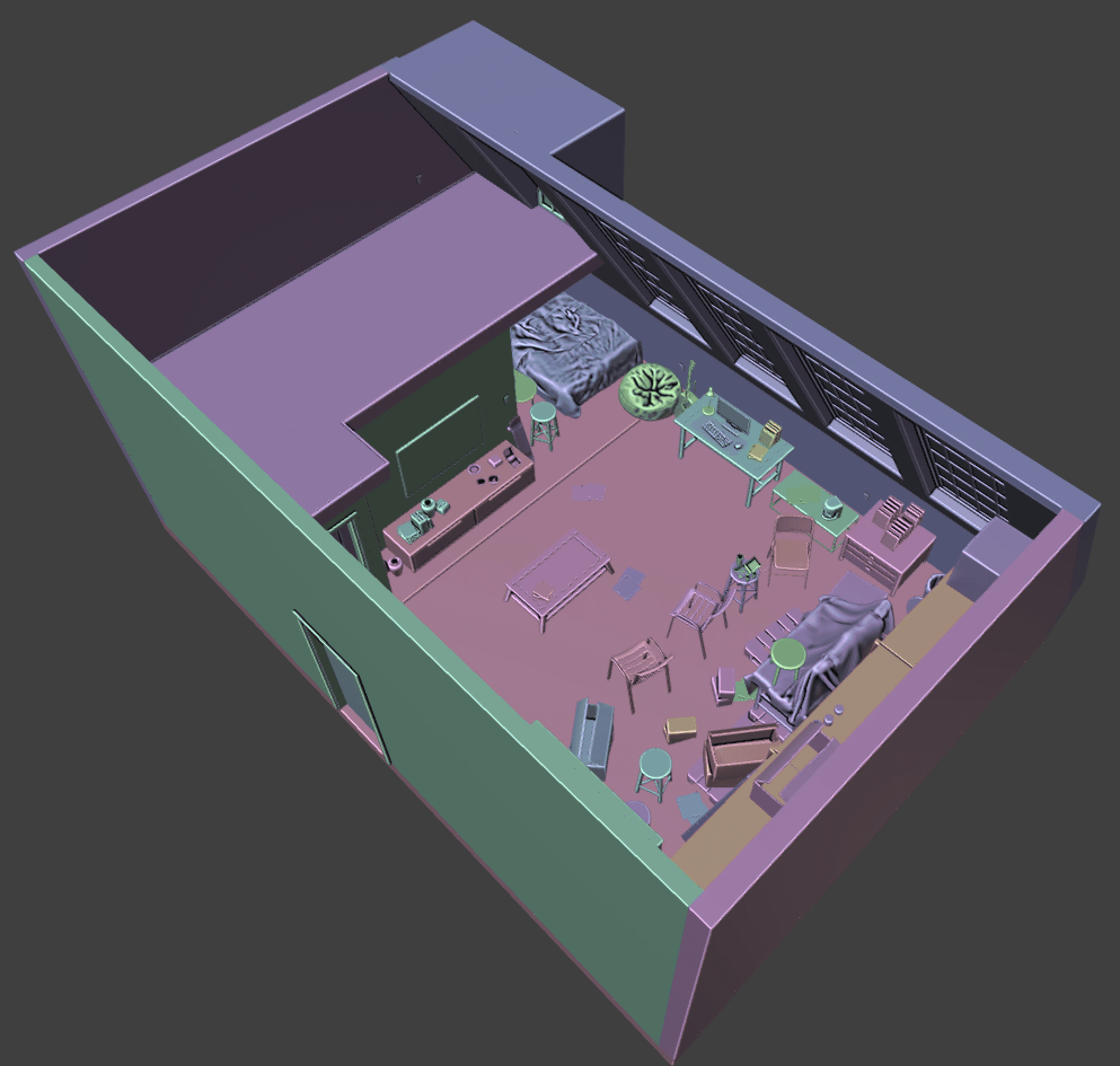
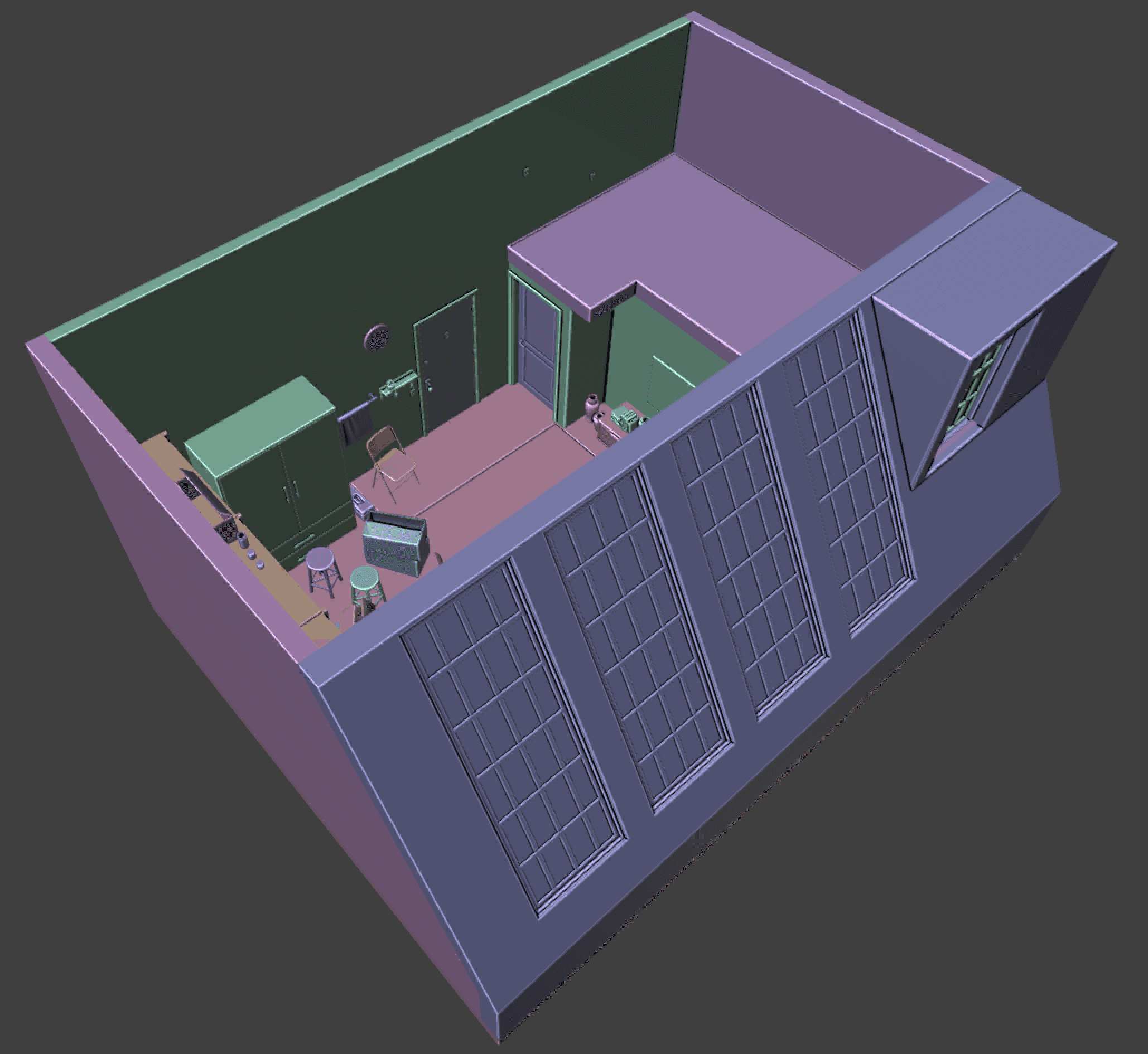
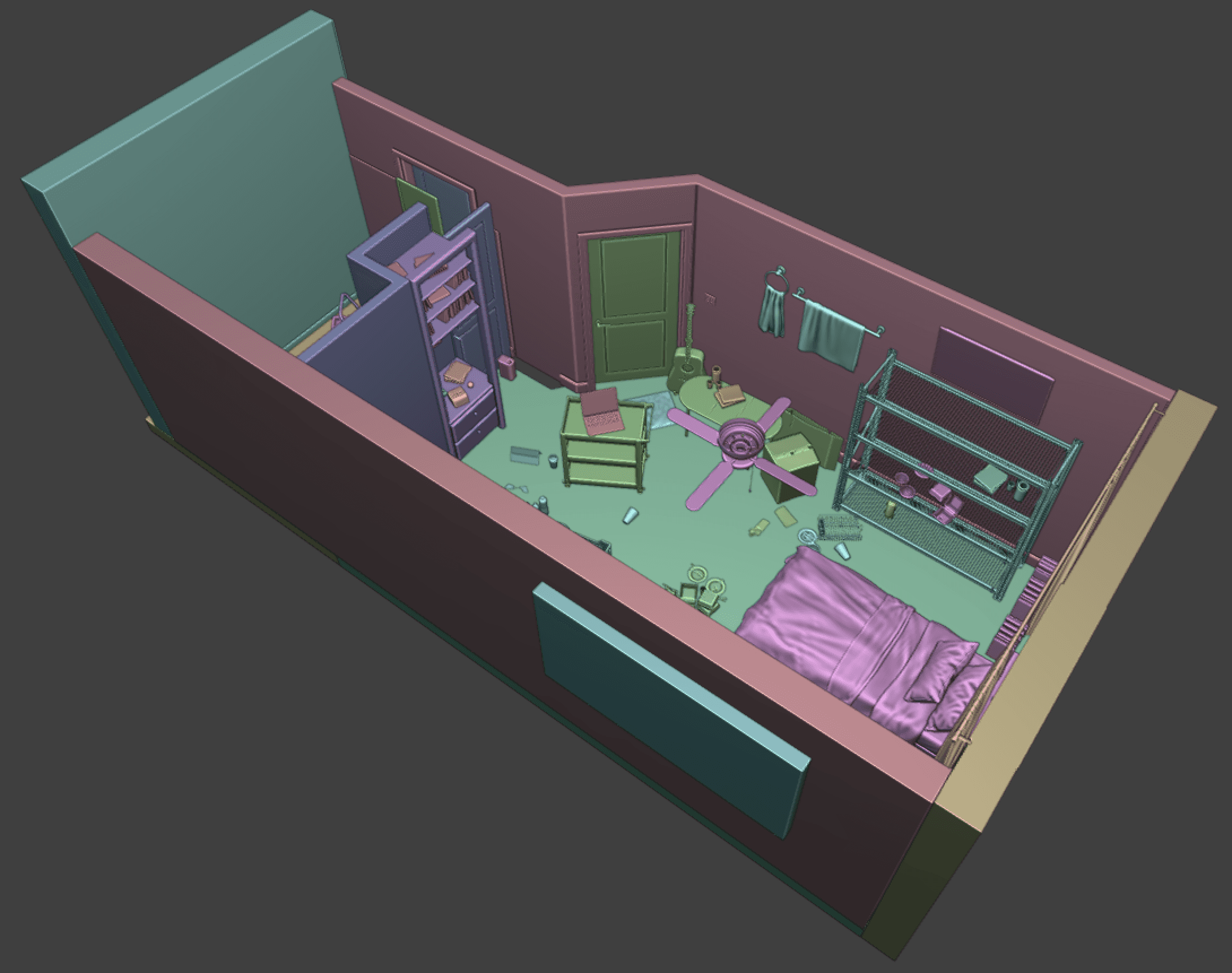
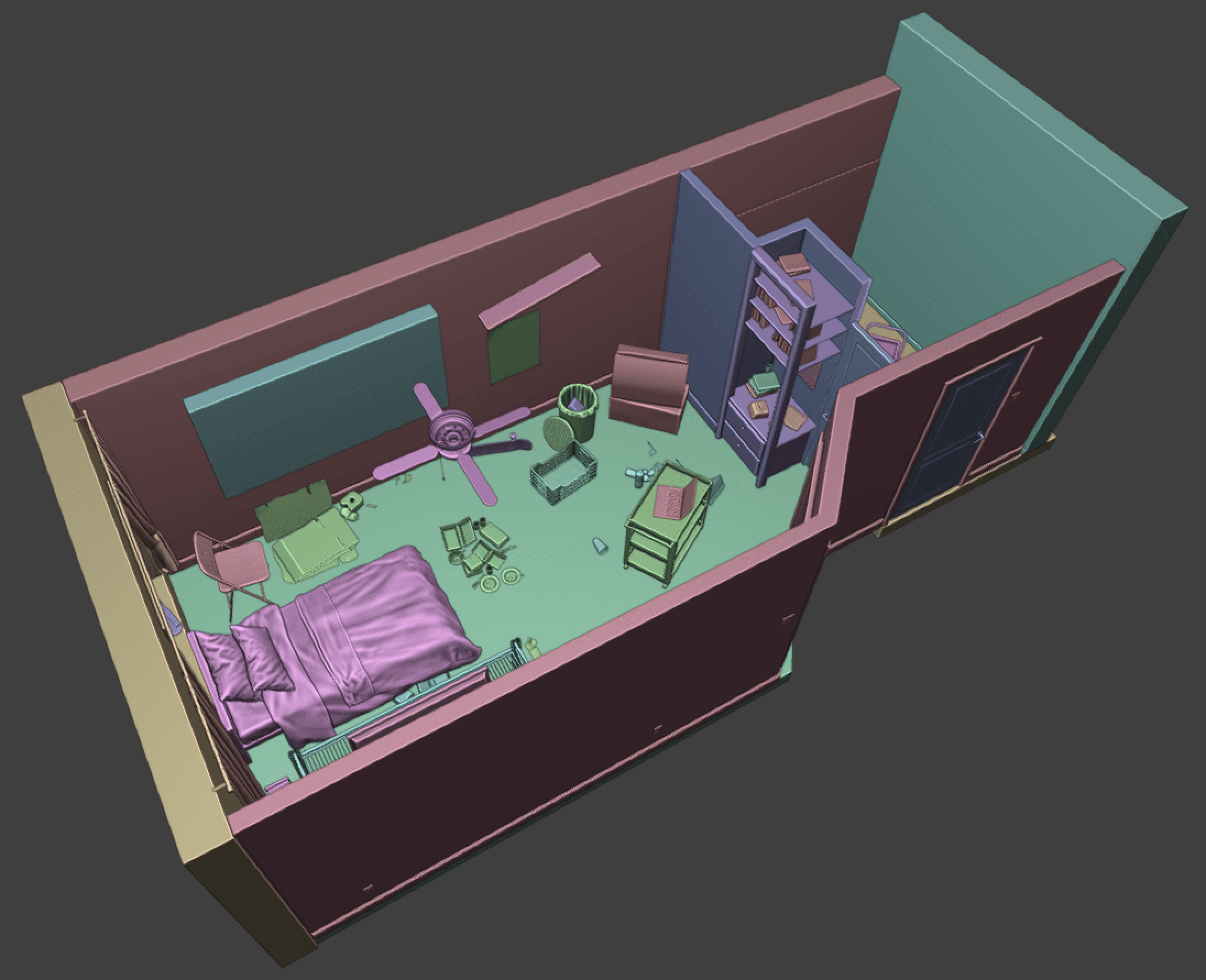
First Ideation for the VR Space
At the first we ended up with 2 room design which gave 2 different space to breath to the user.
One room was a bit too big with large windows and high ceiling.
The other room we ideated was much smaller, like a hostel single room for a person.
We decided to go with a room which was small and would create a uncomfortable environment for the users.
Final VR Space
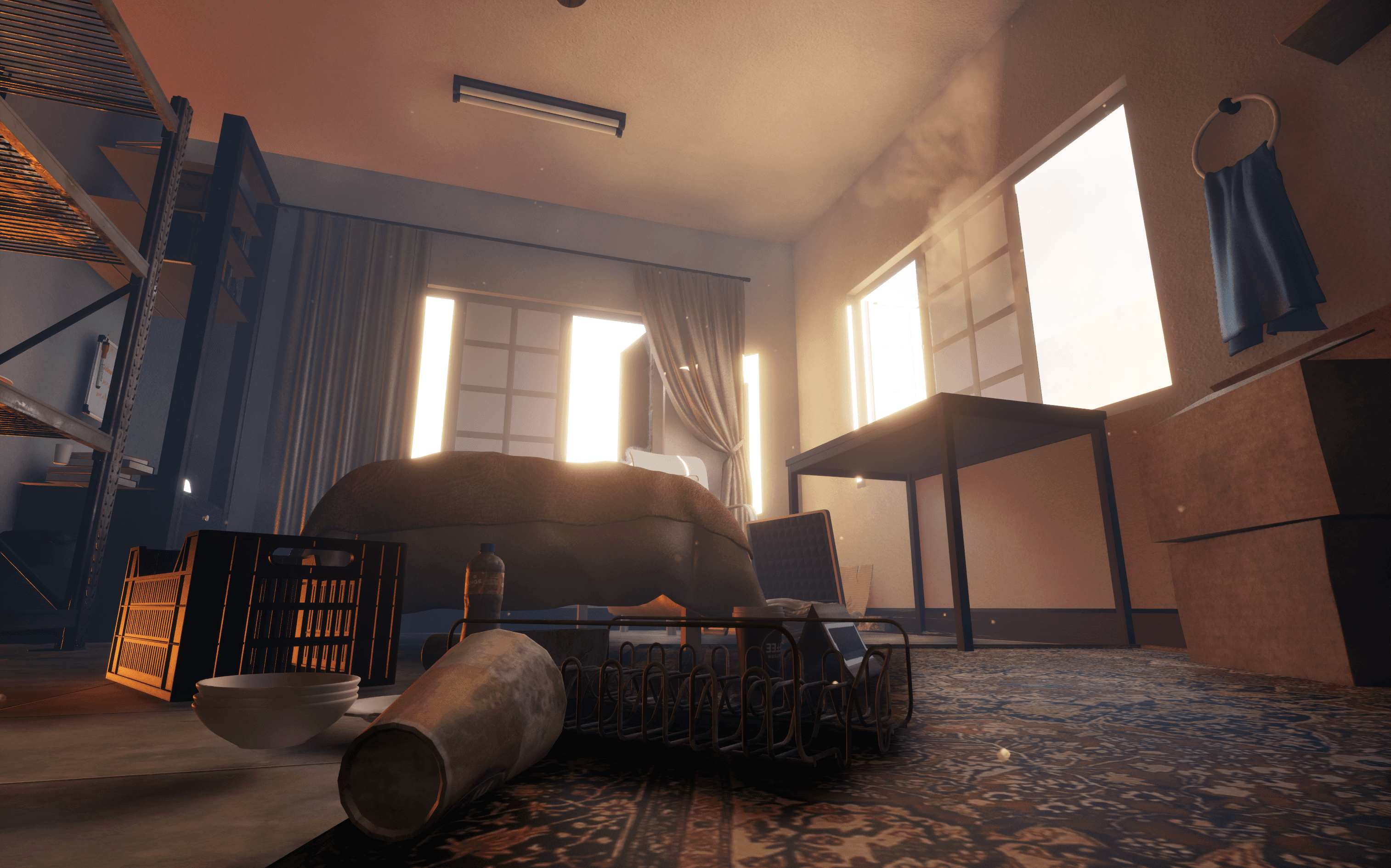
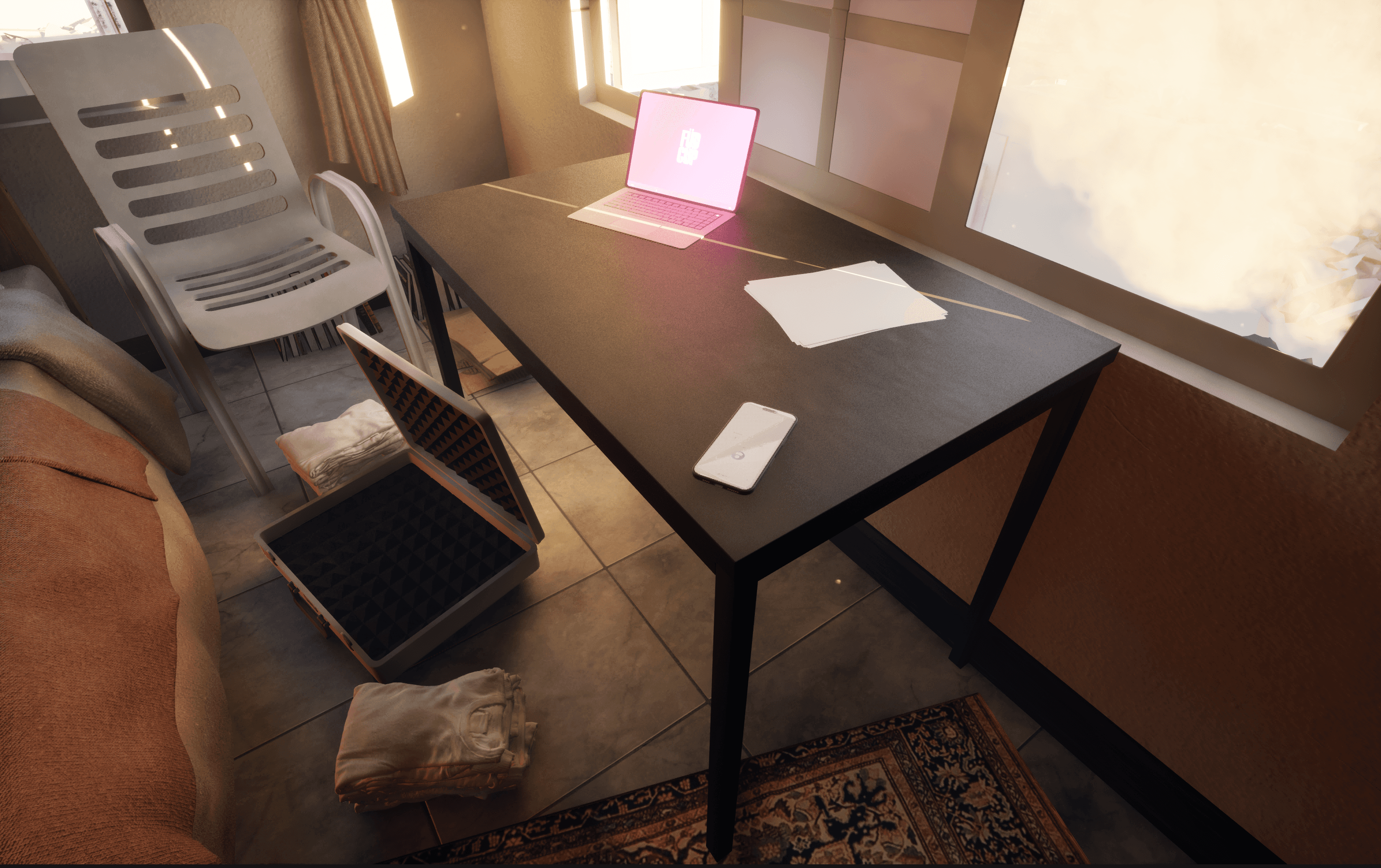
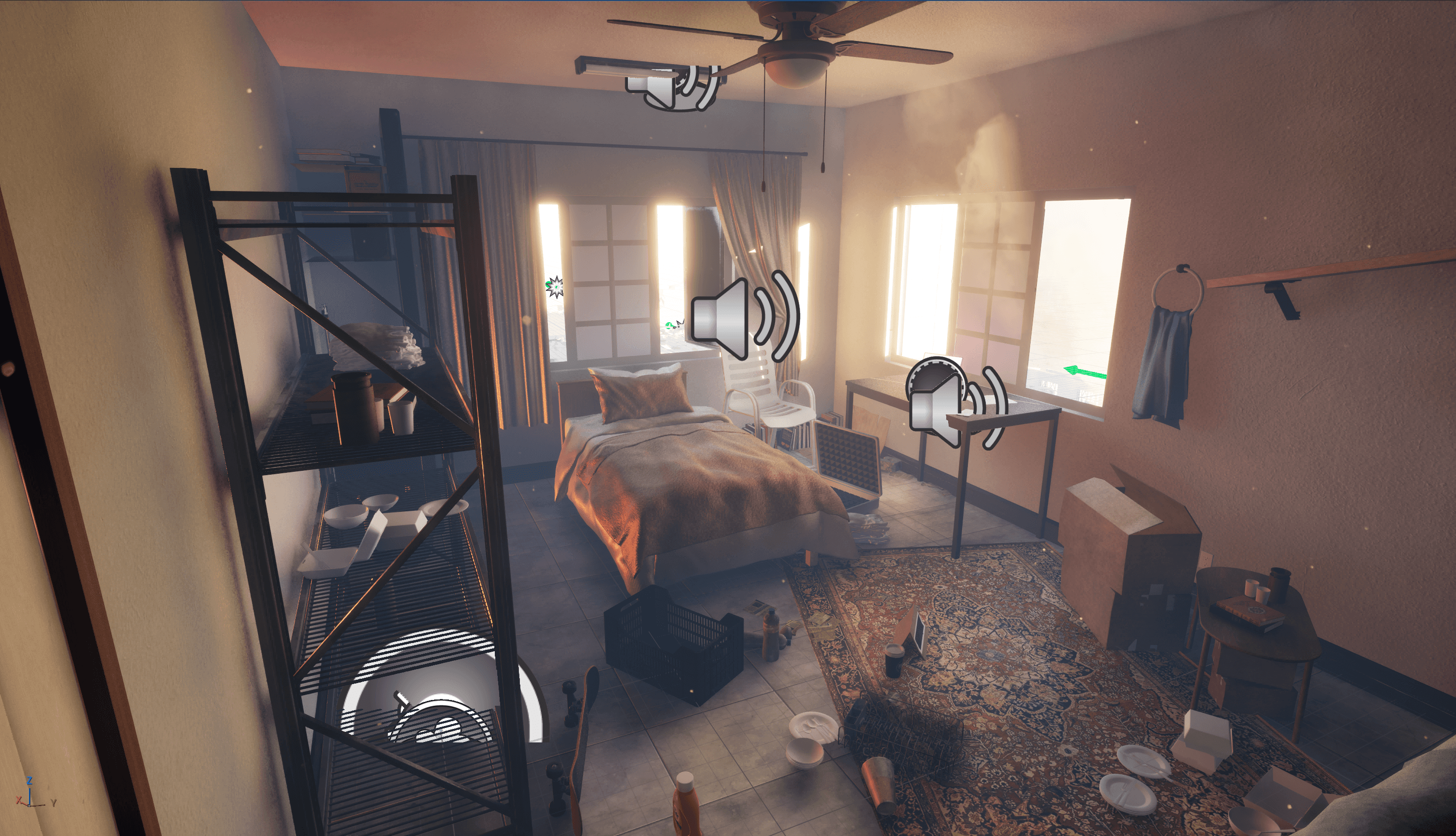
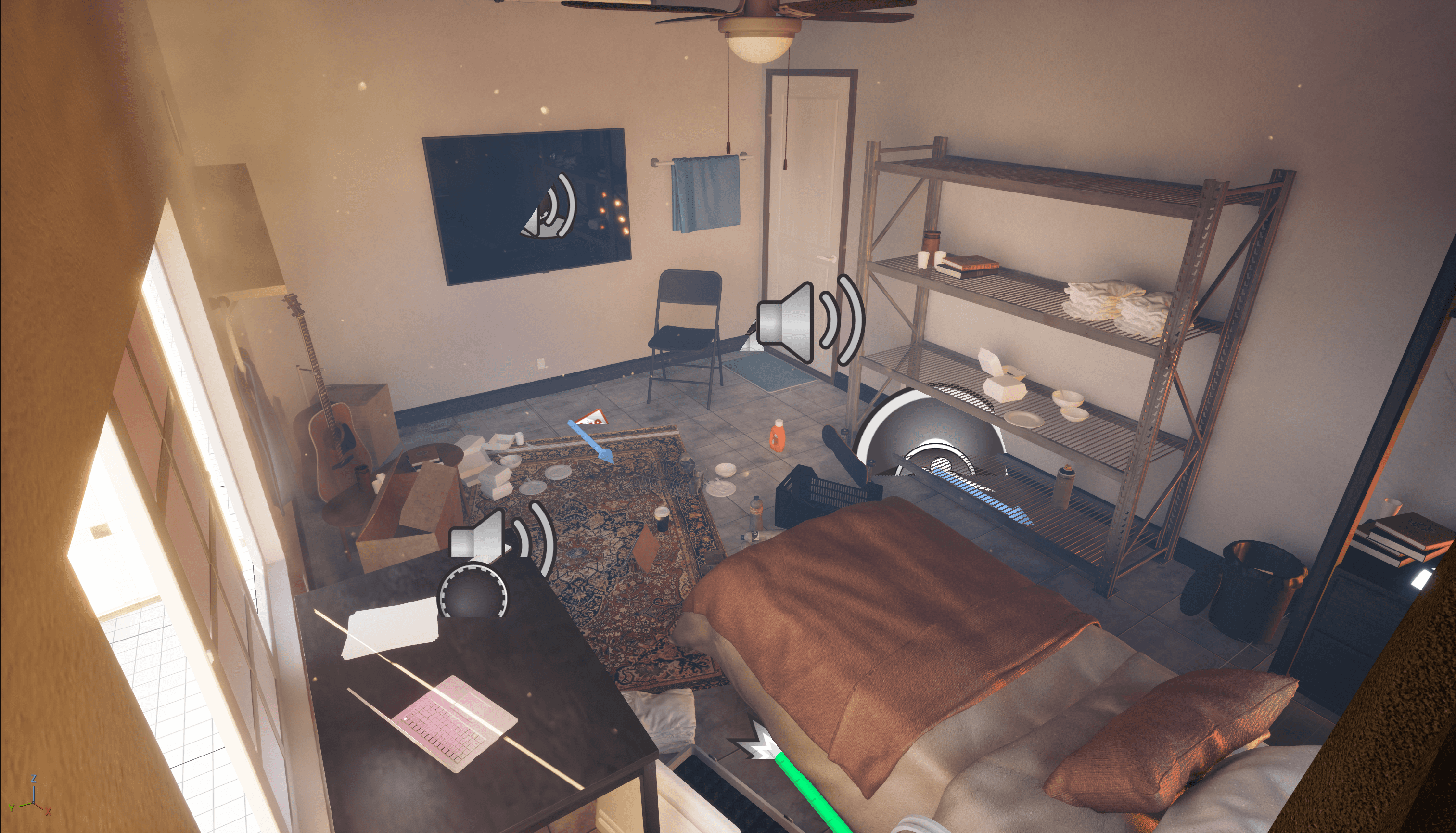
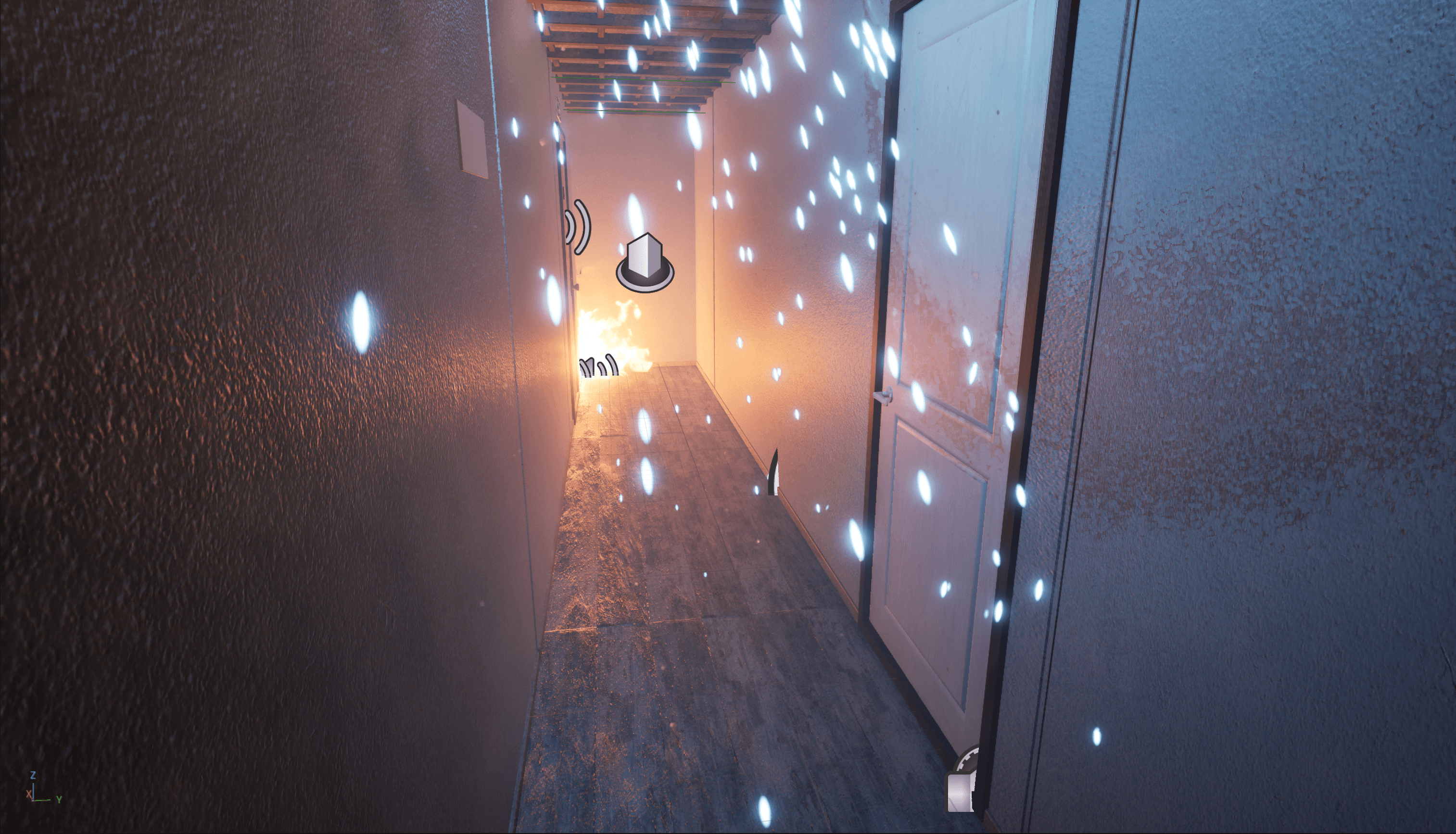
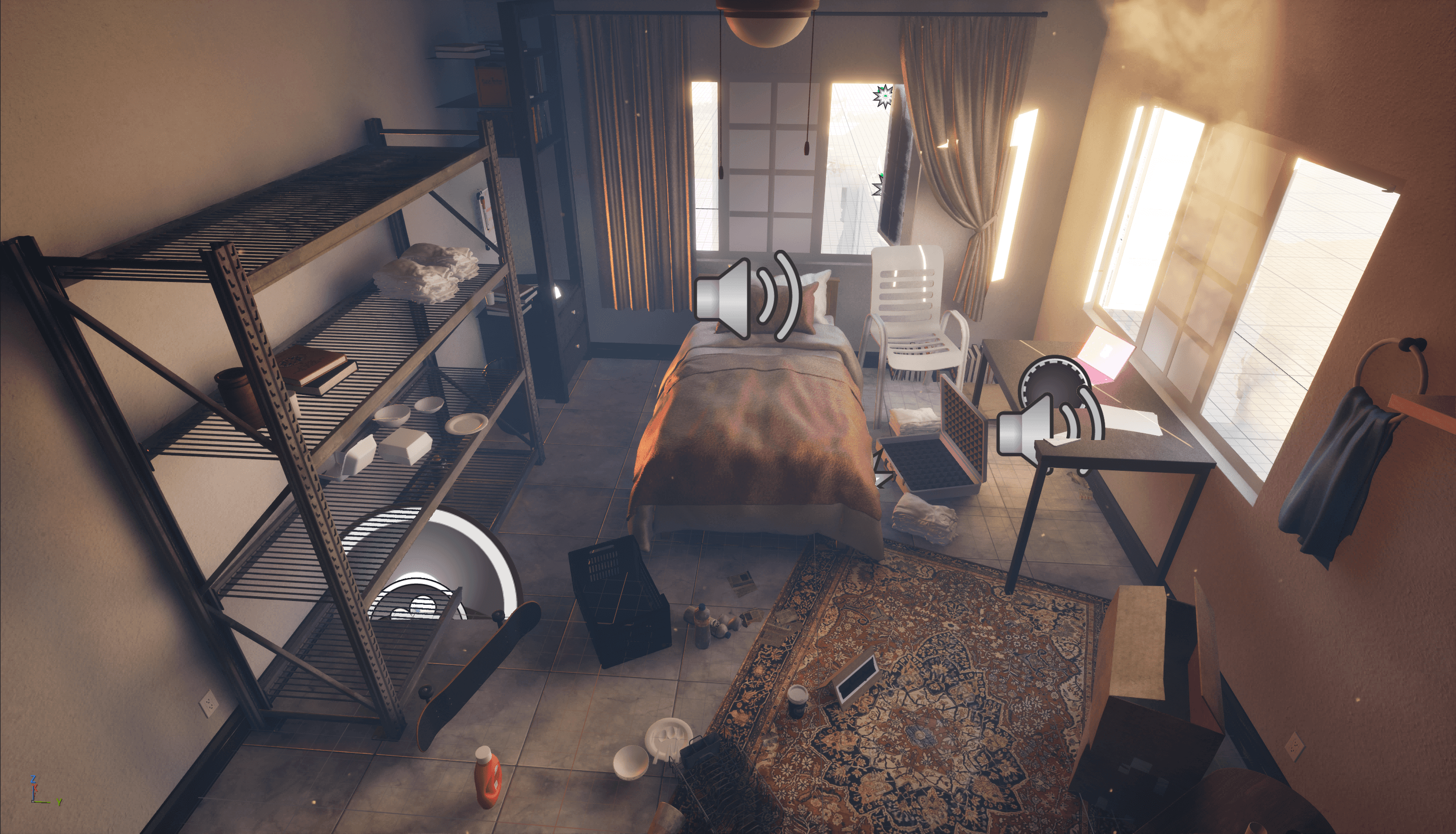
These are the images of the final VR Space. The way we were working was making the models nd textures in Blender and then exporting it in Unreal Engine. Then we set up all the remaining interaction Unreal Engine
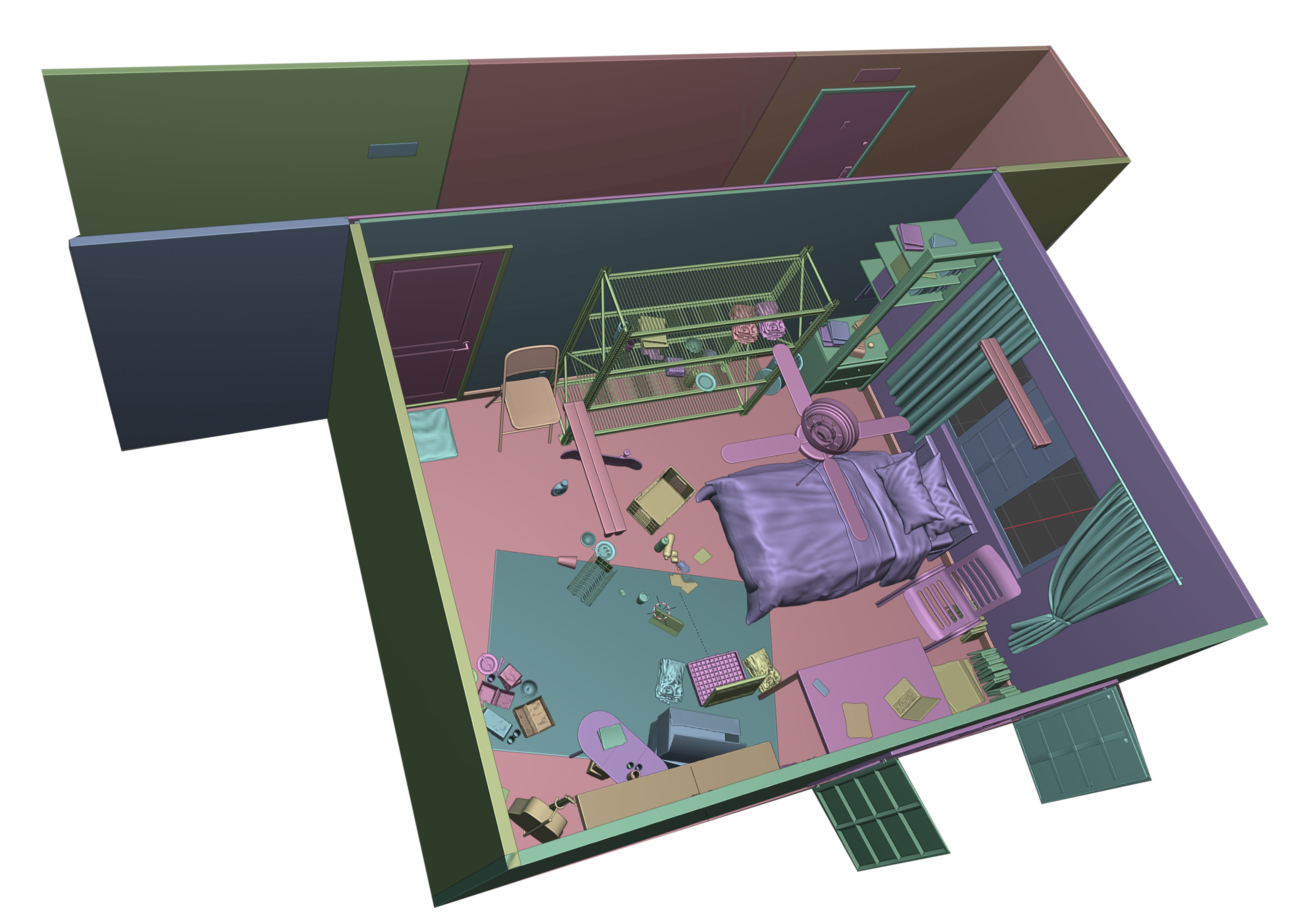
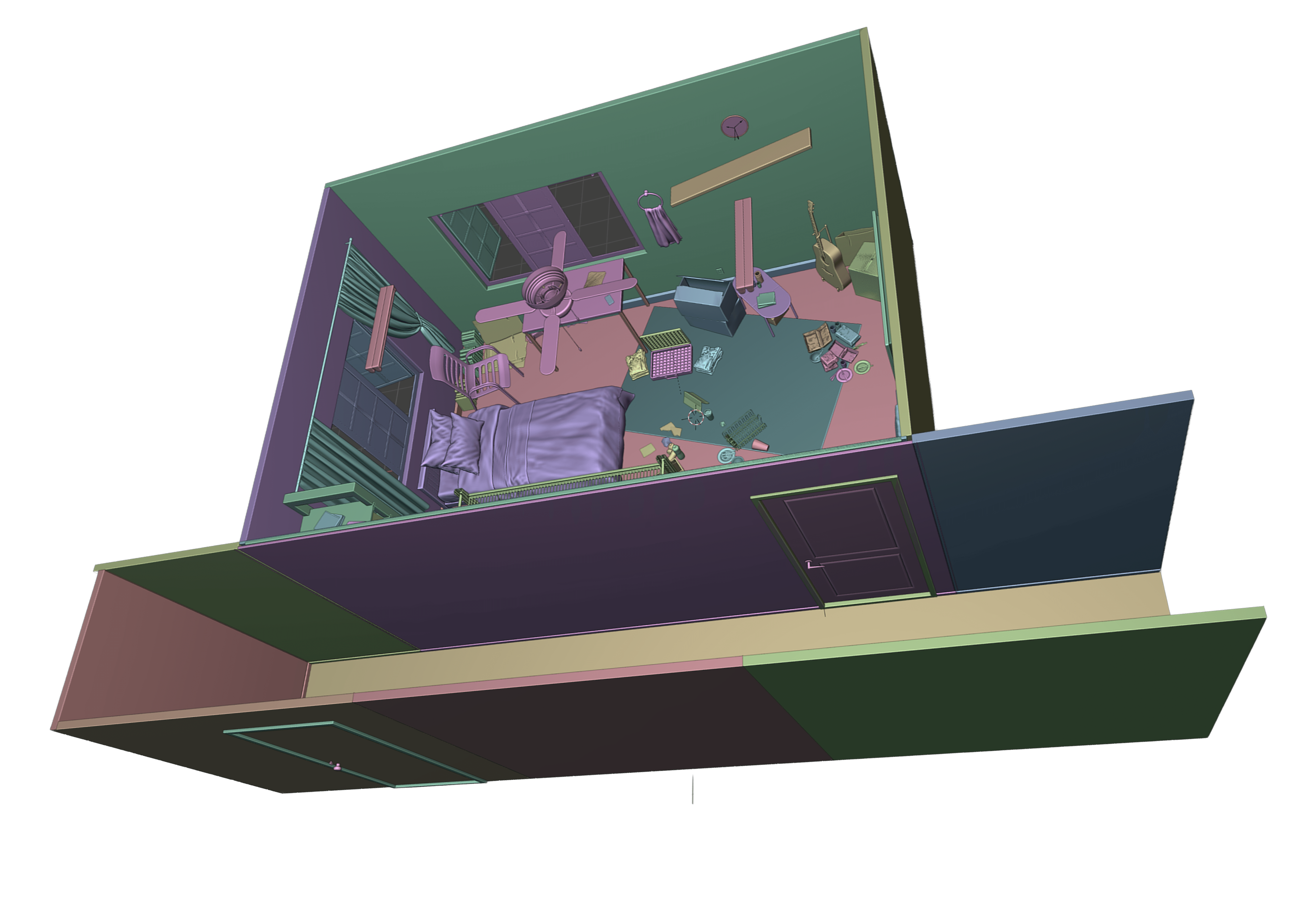
These are the space images of Unreal Engine rendered.
Problems faced while working
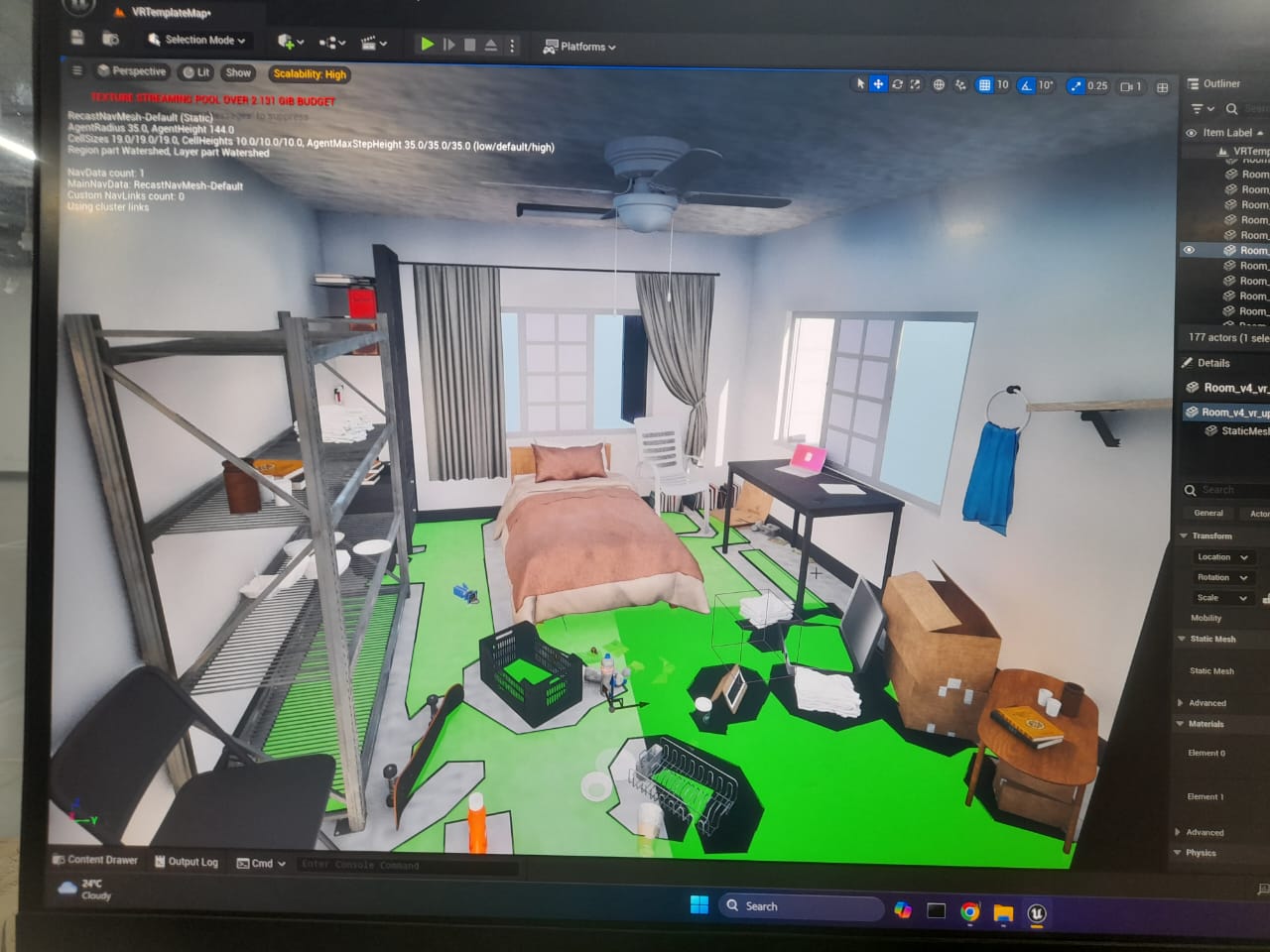
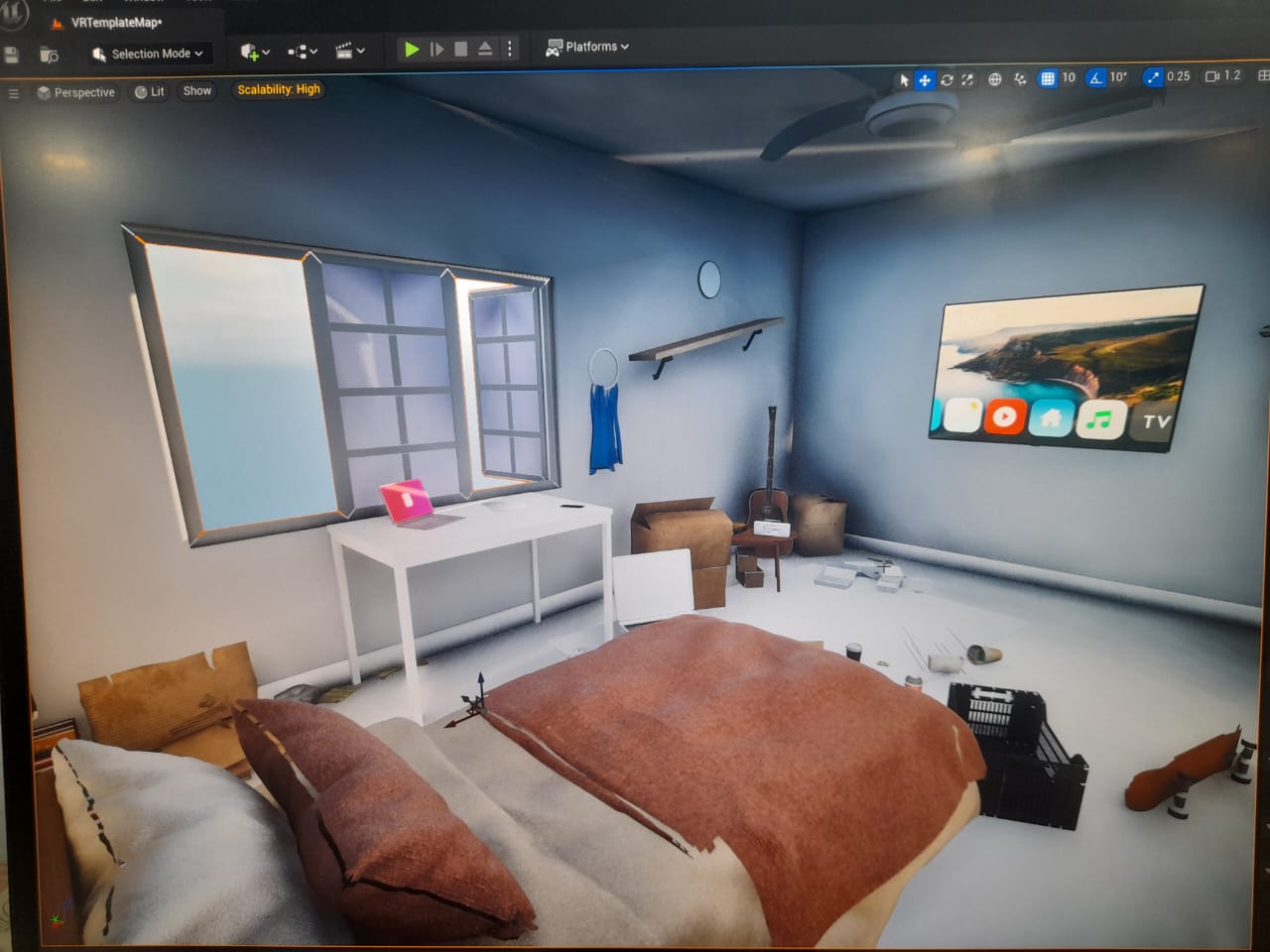
While exporting to Unreal Engine from Blender we face a lot of issues of textures not being imported as shown in blender and we had to do a lot of debugging in that.
A lot of time VR headset would have issues of its own which made working with the project even slower
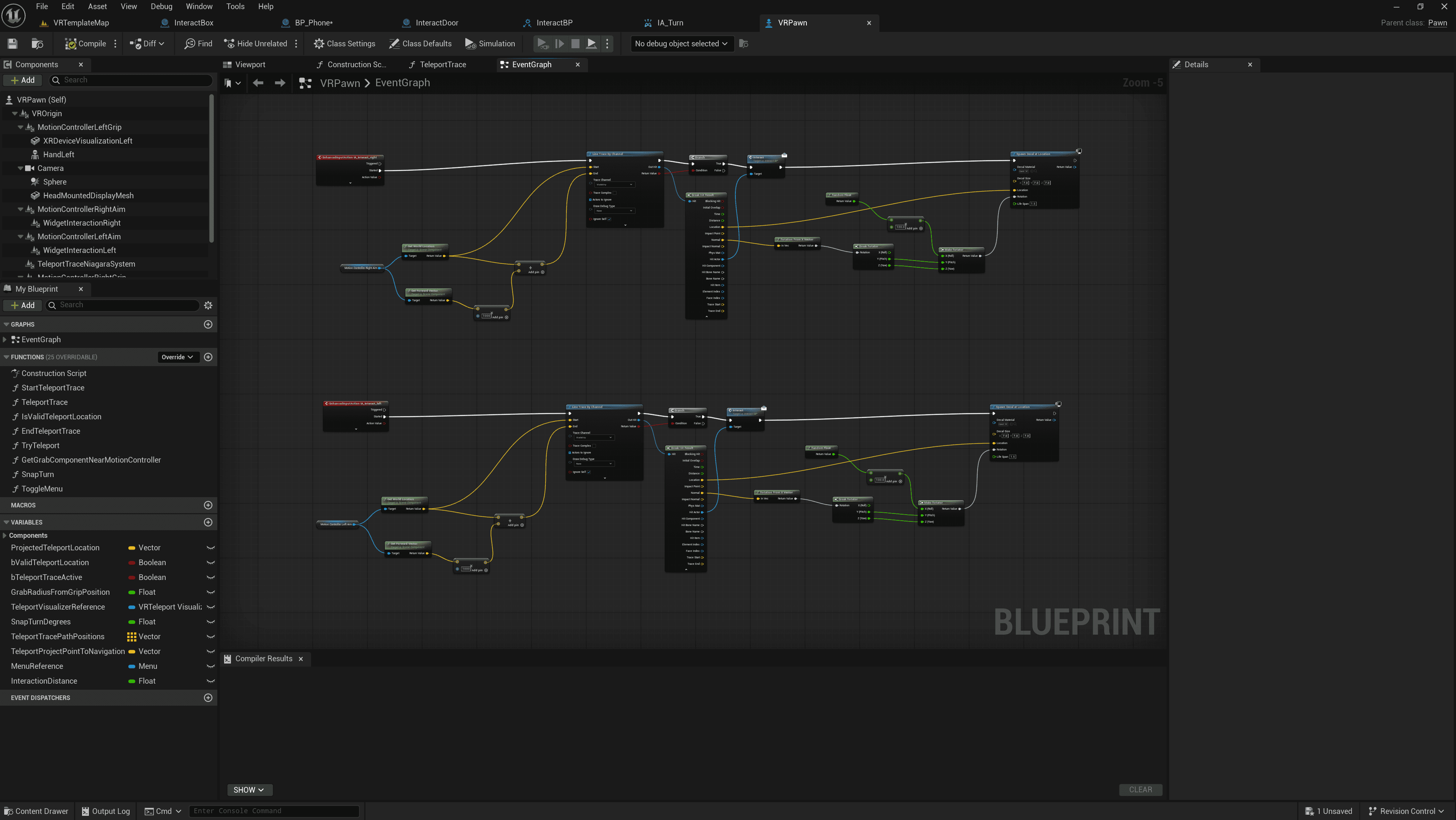
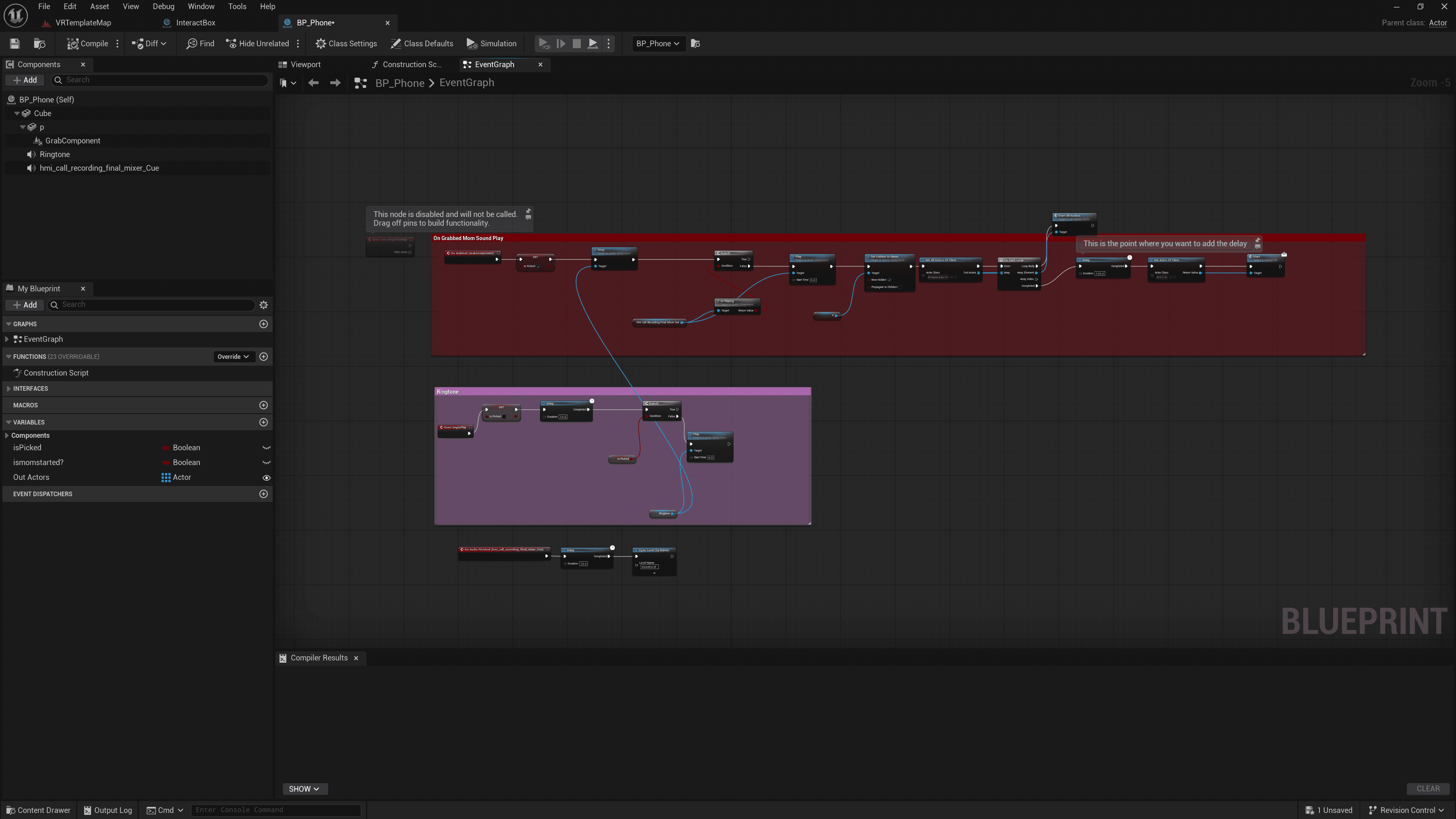
Even creating interactions was tough as it was our first time working with Unreal Engine too but we worked through the nodes and tried to create the necessary interactions
Background and Exterior
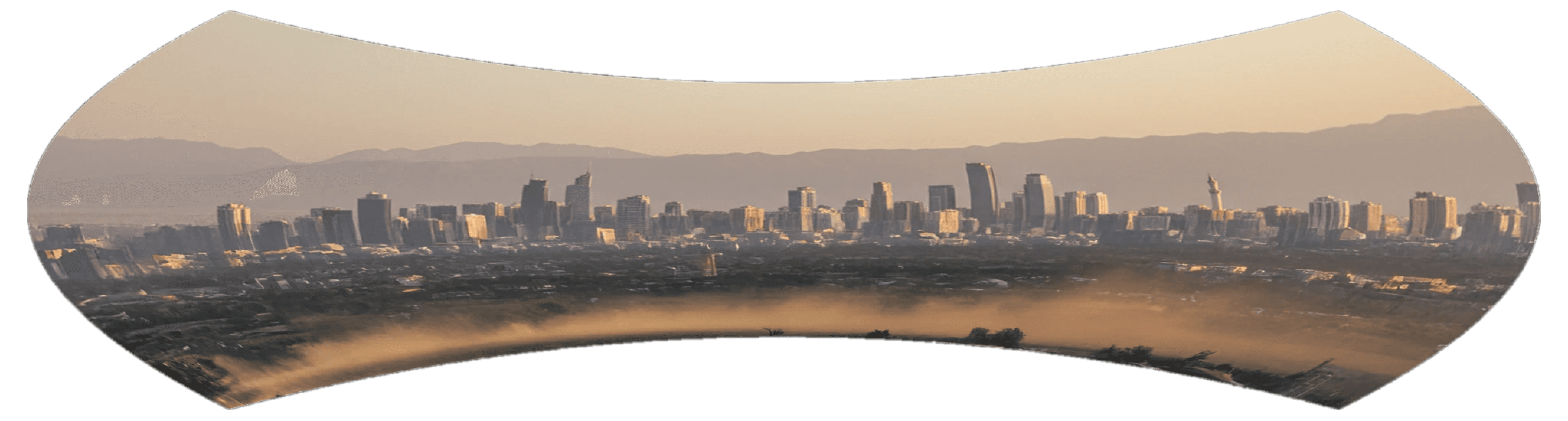
The background and exterior for the project was made using images and low poly models to keep the processing as smooth as possible during the experience.
Spatial Sound
For the sound part we used Spatial Sound so that users can have a 360 audio through the experience.
We decided to have IEMs/headphones for the user so that the experience would feel more real to the users instead of using the audio from the VR headset itself.
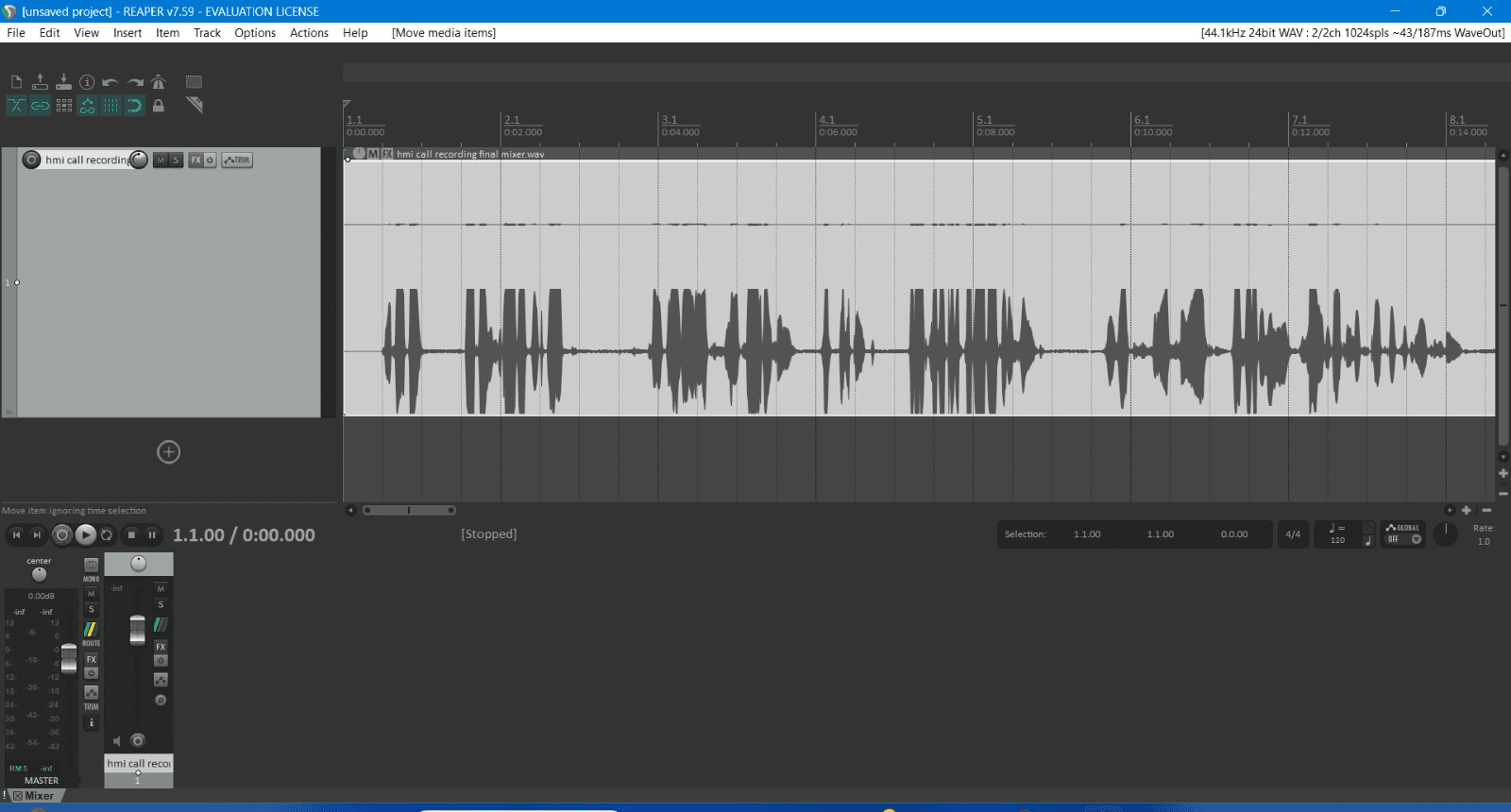
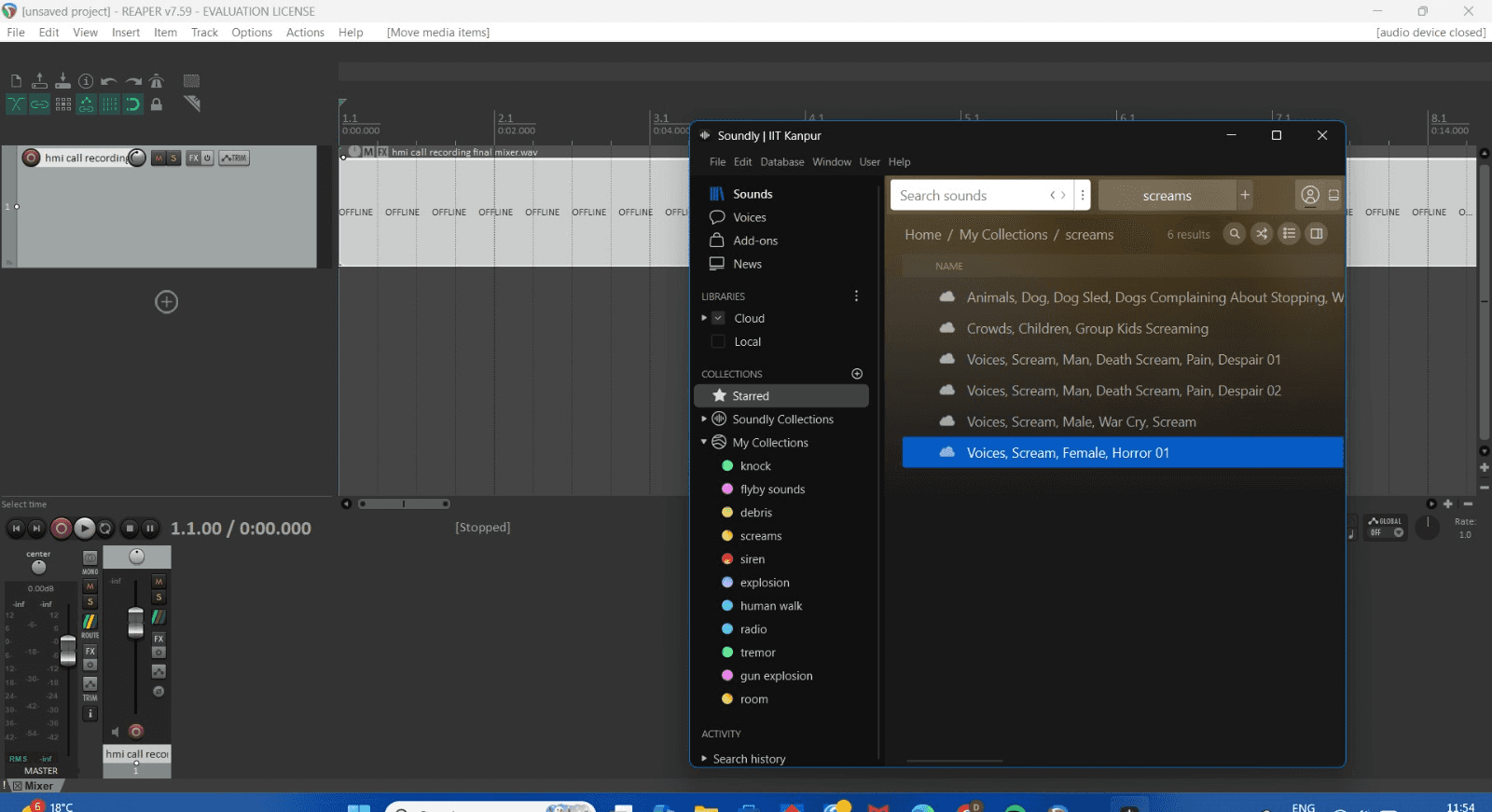
The software we used for editing of the sound was Reaper.
Call Recording Audio that we used in the experience
The role being played here is of a mother
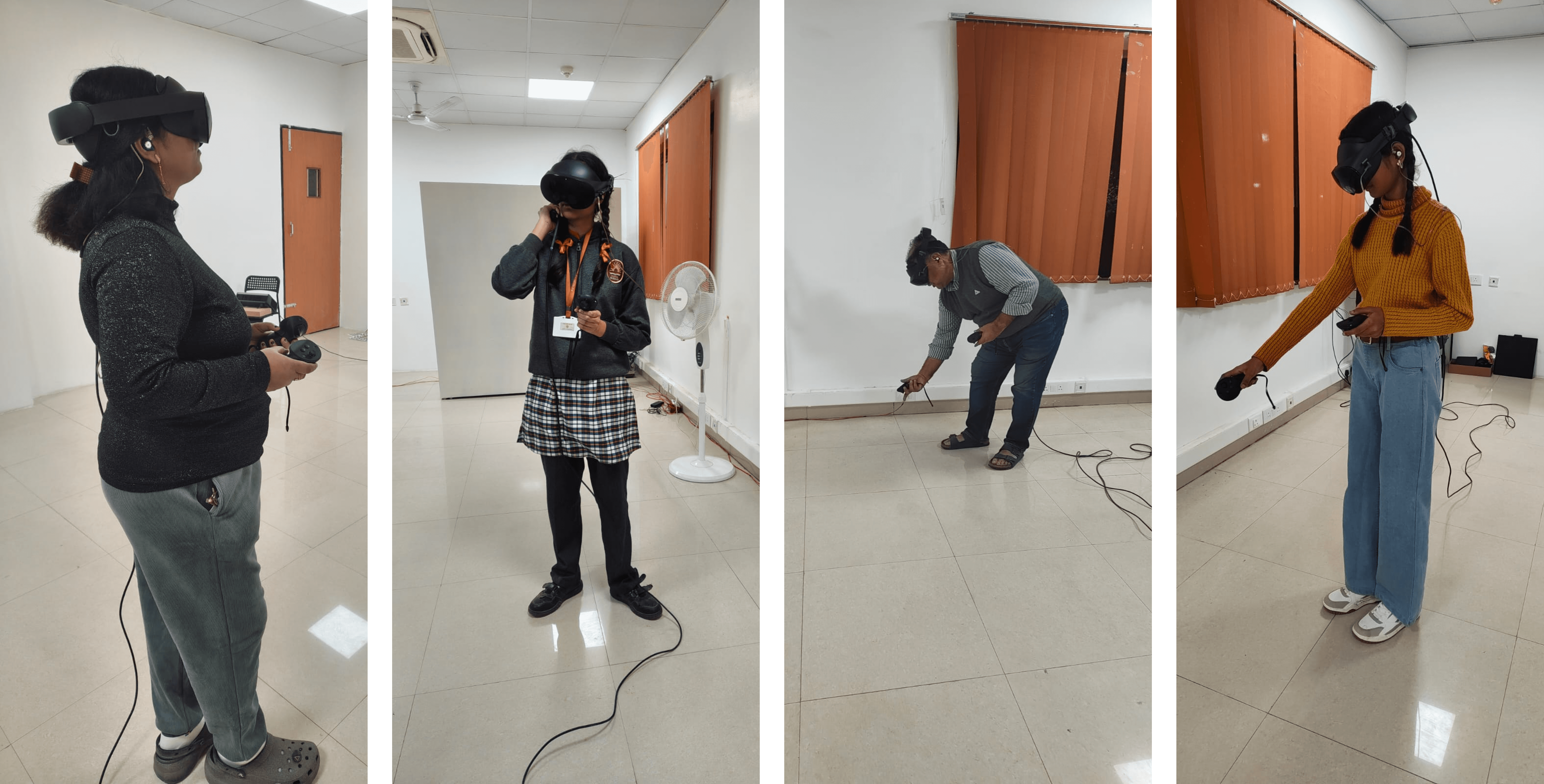
VR Compatibility Test
Join us in testing every single interaction.
Where even simple interactions took 6-8 hours sometimes cause it was our first time with Unreal Engine.
User Testing
We had done testing with all different kinds of users. We had ran user tests 3 times till now. One with school kids, once with college students and once in HMI Horizon event. We got a lot of insights according to which we will be changing a lot of things and also upgrading the experience cause there are a lot of interactions which are still pending from our side.
Tech Involved
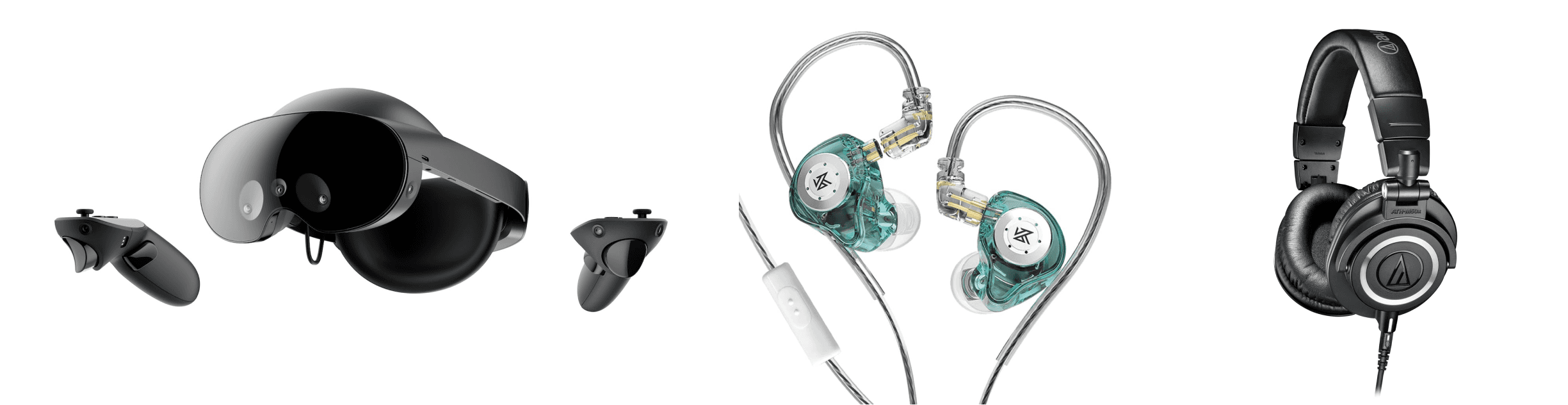
For the VR, we used the meta quest 3 pro. We considered other headsets but due to meta due to its user and developer friendly hardware and firmware, we stuck with Meta quest 3 pro.
We switched between audio technica m50x’s and IEMs depending on the requirements of the user, but we got more better results from the audio technica’s.
VR software used was unreal engine and blender.
Reaper for sound editing.
Potential Research Paper
We are pursuing this further into a paper on interactive media.
Our subject is going to Feeling at a distance: Comparing Emotional Engagement with Human Suffering Across Text, Social Media Feeds, and Immersive Virtual Reality.
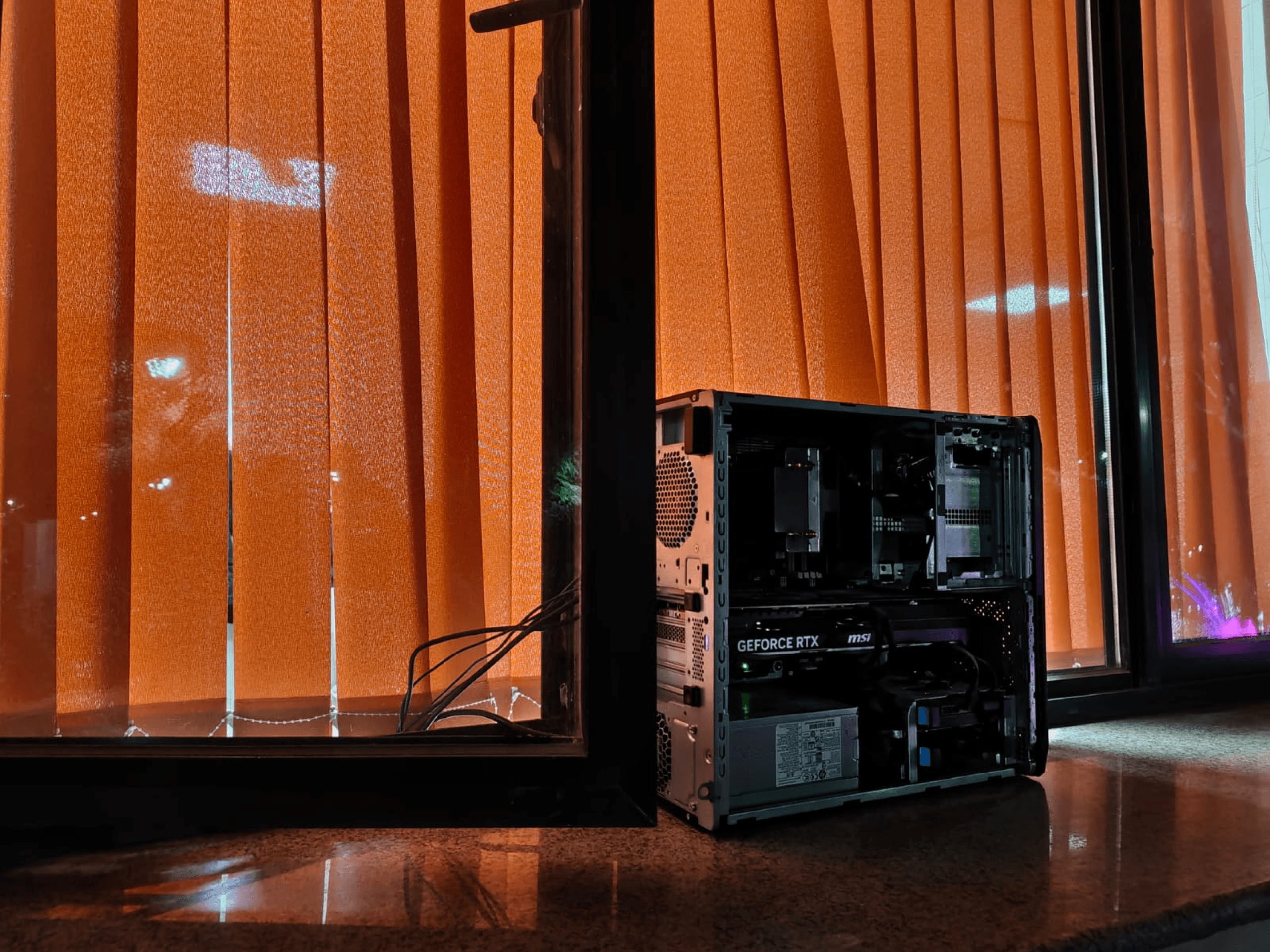
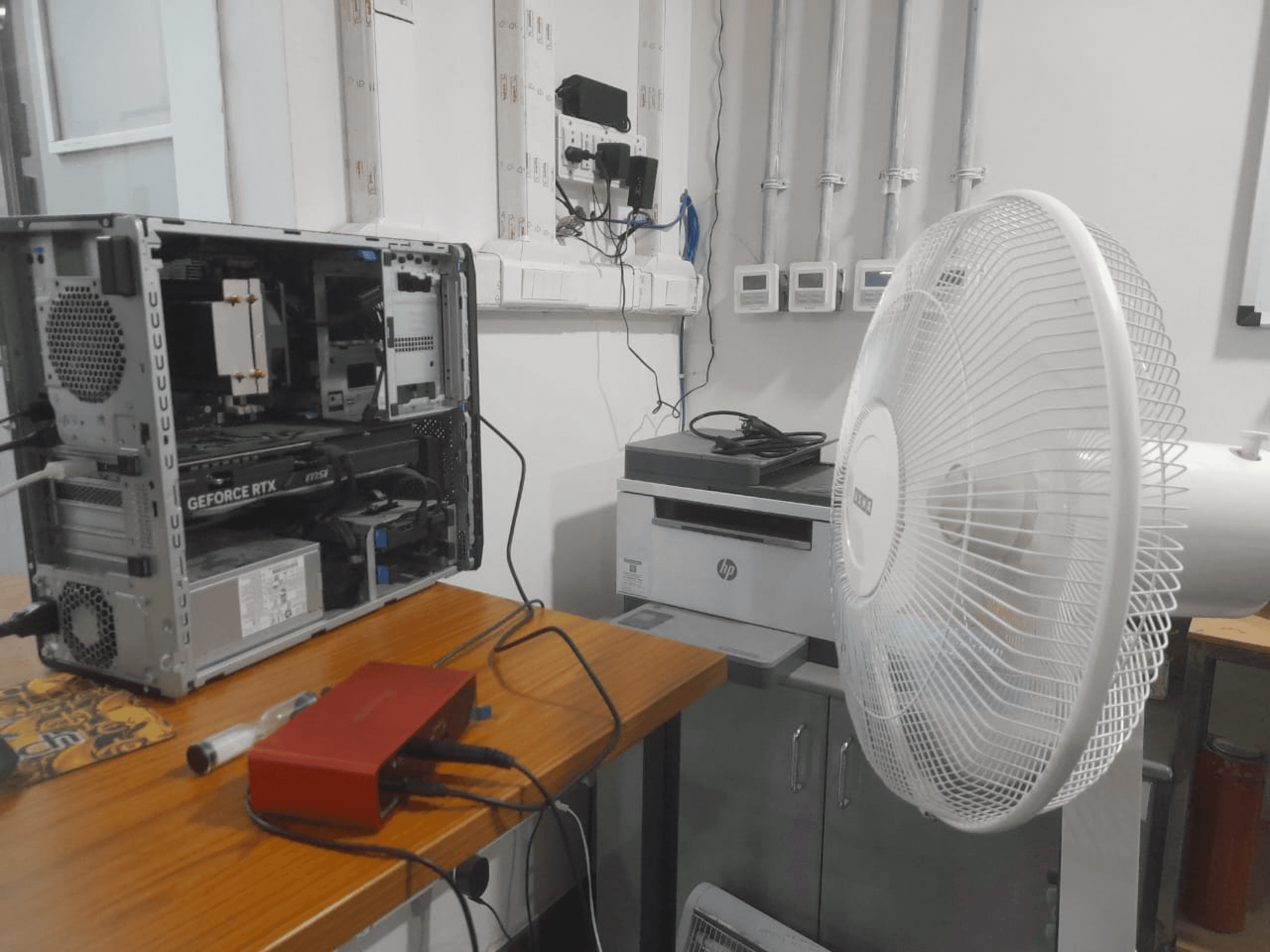
Finally the PC can cool down T—T